
Camping during fire season: restrictions, wildfire smoke and evacuation plans
How to plan camping trips in wildfire season: checking fire restrictions and closures, what red flag warnings mean, stove and campfire rules, reading air quality for smoke, and making an evacuation plan.
By the CampTier team · Updated 2026-10-15 · About 6 min read
Why fire season changes your plans
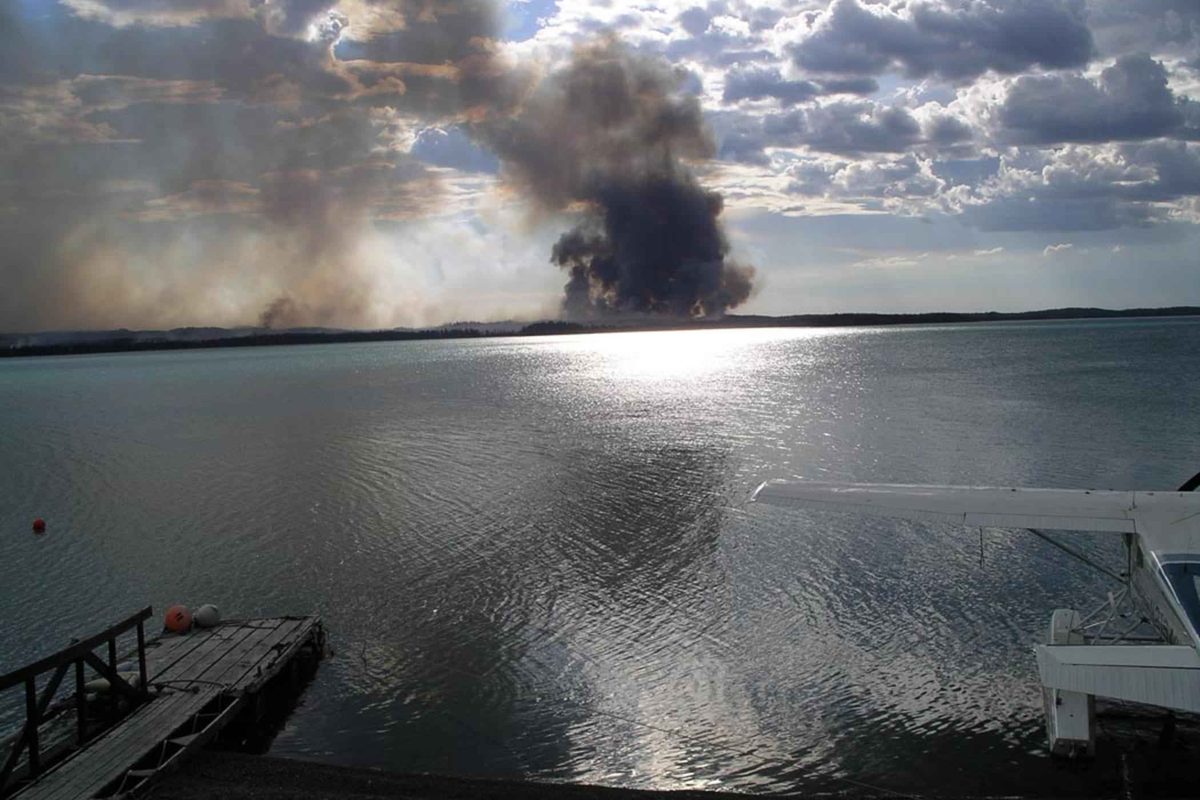
In many regions, the warm, dry months bring a higher risk of wildfire. Camping is still possible and often lovely in fire season, but it comes with extra responsibilities and some extra planning. You may face campfire bans, restrictions on stoves and other equipment, closed roads and areas, smoky air from fires far away and, occasionally, the need to leave quickly. Human activity, including escaped campfires, starts many wildfires, so careful campers really do make a difference.
This guide covers general preparation. Fire rules change quickly and differ between agencies, so always check the current rules for the specific place you are going, before you leave and again on arrival.
Check restrictions and closures
Land managers such as national forests, parks and state agencies often move through stages of fire restrictions as conditions get drier. Depending on the stage and agency, rules may:
- Ban campfires outside developed fire rings, or ban them entirely
- Restrict charcoal grills and wood stoves
- Allow only stoves with an on/off valve, such as many gas canister stoves
- Restrict smoking outdoors except in vehicles or developed areas
- Limit chainsaw use, off-road driving or target shooting
- Close specific areas, roads or trails
Where to check: the land manager's website and social channels, ranger stations, campground hosts and posted signs. Restrictions can change daily, and a rule that applied last week may not apply today. Fines for violating fire restrictions can be significant, and you may be liable for firefighting costs if you start a fire.
Red flag warnings
In the US, the National Weather Service issues red flag warnings when weather conditions such as strong wind, low humidity and dry fuels combine to create high fire danger. A warning means any fire that starts could spread quickly. Check forecasts for your area before and during the trip, and be extra careful with any flame or spark when a warning is in effect, even where fires are technically allowed.
Campfires in fire season
When campfires are allowed:
- Use existing fire rings in developed campgrounds.
- Clear flammable material from around the ring, keep fires small and never leave them unattended.
- Keep water and a shovel next to the fire.
- Do not build fires on windy days, even if they are allowed.
- Put the fire out completely: drown it with water, stir the ashes, drown again and feel for heat with the back of your hand. If it is too hot to touch, it is too hot to leave.
See building a safe campfire for more detail, and gathering and buying firewood responsibly for where to get wood.
Stoves and other heat sources
Even where fires are banned, many agencies allow pressurized gas stoves with shut-off valves. Use them on a stable, cleared surface away from dry grass, never on vegetation, and keep an eye on them. Check the rules before using charcoal, wood-burning camp stoves or fire pits. See camp stoves and fuel.
Vehicles can also start fires. Hot exhaust systems can ignite dry grass, so park on gravel, pavement or bare ground. Secure trailer chains so they do not drag and throw sparks.
Wildfire smoke and air quality
Wildfire smoke can travel hundreds of miles, so smoky air may reach your campsite even when there is no fire nearby. Smoke contains fine particles that can irritate eyes and lungs and can be harmful, especially for children, older adults, pregnant people and people with heart or lung conditions.
To check air quality:
- In the US, AirNow (airnow.gov) shows the Air Quality Index (AQI) and smoke forecasts. Many weather apps also show AQI.
- The AQI uses colors and numbers to show how healthy the air is. Higher numbers mean worse air, and the agency publishes guidance for each level.
If the air is smoky:
- Reduce strenuous activity, such as long hikes and hard climbs.
- Take breaks indoors or in a vehicle with the air on recirculate.
- Consider moving to an area with cleaner air, or postponing the trip.
- Agencies note that well-fitted respirators such as N95 masks can reduce exposure to smoke particles; cloth masks and bandanas offer little protection.
- Anyone with symptoms such as trouble breathing, chest pain or severe coughing should seek medical help.
Smoke can also reduce visibility on roads and trails.
Evacuation planning
Wildfires can move quickly. Most campers will never need to evacuate, but planning ahead makes it easier if you do.
- Before the trip, check active fires in the region. In the US, many agencies post incident information on InciWeb and local emergency management sites.
- Know at least two ways out of the area, and check whether roads are open.
- Park your vehicle facing out, with enough fuel to leave.
- Keep keys, phone, wallet, medications and essential documents together where you can grab them.
- Sign up for local emergency alerts where available, and keep your phone charged. See camp batteries and charging.
- Know where you are if you have to call for help: the campground name, site number or GPS coordinates.
If you are told to leave, go immediately. Do not wait to pack everything. If you see a new fire, leave the area and report it to emergency services with as much detail as you can.
Heat and dry conditions
Fire season often overlaps with hot weather. Carry extra water, plan activities for cooler hours and shade your site. See hot-weather camping tips and desert camping basics.
Flexible booking
Given restrictions and closures, it helps to have backup plans. Look at alternative campgrounds in different areas, and check cancellation policies when booking. Our guide to finding and booking a campsite covers options.
Bottom line
Fire season camping means checking the current restrictions before and during your trip, following campfire and stove rules carefully, watching red flag warnings and air quality, and having an evacuation plan. Careful campers protect the forests they love, and planning ahead keeps your trip safe if conditions change.
Driving, parking and generators in dry country
Campfires are not the only way camps start fires. Vehicles and small engines can also ignite dry vegetation. When fire danger is high, park on gravel, pavement or bare dirt rather than in tall, dry grass, since hot exhaust parts underneath a vehicle can set grass alight. Avoid driving off established roads through dry brush, and secure trailer safety chains so they do not drag and throw sparks. If you use a generator, chainsaw or other small engine where they are allowed, keep it on bare ground, let it cool before refueling and check whether it needs a working spark arrester under local rules. Some restrictions limit or ban these tools during high fire danger, so read the current fire order for the area. Smokers should follow any smoking restrictions, which often require smoking only inside a vehicle or building or in cleared areas. Carry a shovel and water in your vehicle during fire season.
A grab-and-go plan at camp
Fire conditions can change quickly, so make it easy to leave in a hurry. Keep vehicle keys in the same place every night, park facing the exit and keep the fuel tank well above empty. Pack a small bag with essentials that stays near the tent: medications, phone and charger, headlamps, water, ID, a paper map and a warm layer. Know at least two ways out of the campground and the area, and note where the nearest town or open area is. If you are told to evacuate, go immediately and leave gear behind. Gear can be replaced, people cannot. Our guide to flash flood safety for campers and hikers covers another hazard where a quick exit plan matters.
Related guides
- Flash flood safety for campers and hikers
- Building a Safe Campfire (and Putting It Out Cold)
- Buying, gathering and splitting firewood responsibly
- Camp Stoves and Fuel Basics
- Hot-Weather Camping Tips
General guidance from CampTier, based on manufacturer instructions and common outdoor practice. We don’t claim hands-on testing. Always follow your gear maker’s care and safety instructions. See our safety notes.