
Beach camping basics: tides, wind, sand and sun
How to camp on or near a beach: checking rules and permits, reading tide tables, picking a site above the high-tide line, pitching a tent in sand and wind, sun and heat, salt and sand care, and wildlife rules.
By the CampTier team · Updated 2026-10-15 · About 5 min read
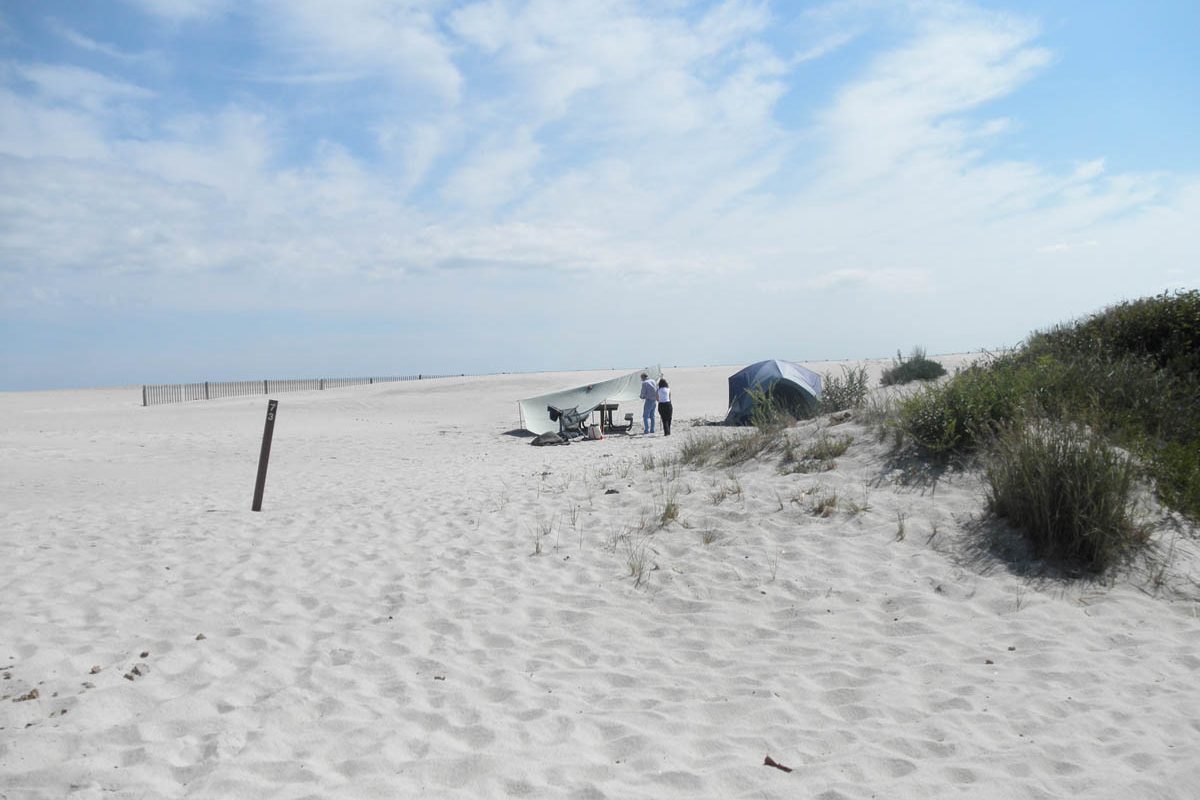
Why beach camping is different
Falling asleep to the sound of waves is a highlight for many campers. But beaches bring their own challenges: tides that move the water's edge, wind with nothing to break it, sand that will not hold ordinary stakes, intense sun, salt air that corrodes gear and sand that gets into everything. Beaches are also busy places for wildlife, and many have rules to protect nesting birds and turtles. This guide covers the basics. Local rules and conditions vary widely, so check with the land manager for the beach you plan to visit.
Check the rules first
Beach camping is only allowed in certain places. Some coastal parks have developed campgrounds behind the dunes, with the beach a short walk away. Others allow camping directly on the sand, sometimes only with a permit, in designated zones or in certain seasons. Many beaches ban camping altogether. Rules also cover fires, driving on the sand, dogs, alcohol and how far from dunes or vegetation you must camp. Look up the park or land manager's rules before you go, and check for seasonal closures.
Read the tides
On ocean beaches, the tide raises and lowers the water's edge, often twice a day. The difference between high and low tide varies by location and by the lunar cycle; it is usually larger around new and full moons. Storms and strong onshore wind can push water higher than the predicted tide.
Before you camp:
- Look up a tide table for the nearest station for each day of your trip. Many government agencies and apps publish them.
- Note the times and heights of high tides, especially any that fall overnight.
- Find the high-tide line on the beach, usually marked by a band of seaweed, shells and debris (the wrack line). Camp well above it, and above any higher line from recent storms.
If your route along the beach involves rounding a headland or crossing a rocky section, plan to pass at low tide and leave plenty of time. Getting cut off by a rising tide is a real hazard on some coastlines.
Choosing a site
- Stay above the high-tide line and away from the base of cliffs, which can drop rocks.
- Do not camp on dunes or dune vegetation, which is fragile and often protected. Use designated sites or bare sand.
- Look for natural wind shelter, such as behind a dune or bluff where allowed, or set up so your vehicle blocks the wind at a drive-in site.
- Check for hazards before pitching; our guide to checking a tent site for hazards covers dead trees, low spots and more.
- Think about morning sun. An east-facing beach can turn a tent into an oven by mid-morning.
Pitching a tent in sand
Standard thin stakes pull out of loose sand. Options include:
- Sand stakes: wider, longer stakes with more surface area to hold in sand.
- Deadman anchors: tie guylines to a stake laid horizontally, a stuff sack filled with sand, or a log, then bury it. Buried anchors hold well in sand and snow.
- Weight inside the tent: gear in the corners helps keep the floor down, though it is not a substitute for proper anchors.
Pitch with the narrowest, lowest end facing into the wind, and use all the guylines. Tension them again after the wind picks up, since sand shifts. Our guides to pitching a tent in wind and choosing tent stakes and guylines explain the techniques. A low, sturdy tent handles beach wind better than a tall cabin tent.
Sun and heat
Beaches offer little shade, and sunlight reflects off sand and water, increasing exposure. Bring:
- A shade structure, such as a tarp or a beach shelter, anchored well against wind
- Sun hats, sunglasses and sunscreen applied regularly
- Lightweight long sleeves for midday
- More water than you think you need
Rest in shade during the hottest part of the day. Our guides to sun protection for campers and hikers and hot-weather camping tips cover heat illness and hydration.
Wind and blowing sand
Sea breezes often build in the afternoon and calm at night, but strong wind can blow at any time. Blowing sand gets into food, gear and eyes. Keep the cooking area low and sheltered, store food in sealed containers and close tent doors when you are not using them. Stoves need a windscreen and a stable base; sand is not one, so set the stove on a board or table.
Water safety
Swimming conditions on beaches vary. Rip currents can pull swimmers away from shore. Swim at beaches with lifeguards where possible, follow posted flags and warnings, and keep a close eye on children. Do not swim at night or after drinking.
Fires on the beach
Some beaches allow fires below the high-tide line or in fire rings; many do not. Where fires are allowed, use existing rings, keep fires small, drown them with water (not sand alone, which can insulate hot coals and burn bare feet the next day) and pack out all trash. Never burn trash or plastics. See building a safe campfire.
Wildlife and lights
Many beaches are nesting areas for shorebirds and, in some regions, sea turtles. Respect posted closures and keep dogs leashed where required. In some sea turtle nesting areas, local rules limit lights visible from the beach at night, because hatchlings use light to find the ocean. Keep lights dim and pointed down, and follow any posted guidance. Store food securely; raccoons, gulls, crows and other animals raid beach camps. See keeping small animals out of camp food.
Salt, sand and gear care
Salt spray and sand are hard on gear. Zippers stick, metal corrodes and grit wears fabrics.
- Brush or shake out sand before packing tents, chairs and bags.
- Rinse zippers, stoves and metal gear with fresh water after the trip and let them dry fully.
- Keep electronics in sealed bags.
- Clean the tent at home following cleaning and storing a tent, including rinsing salt off the fly.
Beach camping checklist
- Permit and rules for the beach
- Tide table for each day
- Sand stakes or deadman anchors
- Shade structure and extra guylines
- Sun protection and plenty of water
- Board or table for the stove
- Sealed food containers
- Fresh water for rinsing gear and people
Bottom line
Beach camping rewards planning. Check rules and permits, read the tides and camp well above the high-tide line, anchor your tent for sand and wind, bring shade and water, respect nesting wildlife and rinse salt and sand off your gear afterward.
Filter tents by spec → Compare up to 3 →
Related guides
- Hiking coastal trails and reading tide tables
- Swimming safely at lakes and rivers near camp
- How to Pitch a Tent in Wind
- Choosing Tent Stakes and Guylines
- Sun protection for campers and hikers
General guidance from CampTier, based on manufacturer instructions and common outdoor practice. We don’t claim hands-on testing. Always follow your gear maker’s care and safety instructions. See our safety notes.