
Getting a good night's sleep at camp
Practical ways to sleep better in a tent: choosing a quiet, level spot, a warm and comfortable sleep system, managing cold, noise and light, a simple bedtime routine, late-night bathroom trips, kids and partners, and what to do when you still cannot sleep.
By the CampTier team · Updated 2026-10-15 · About 5 min read
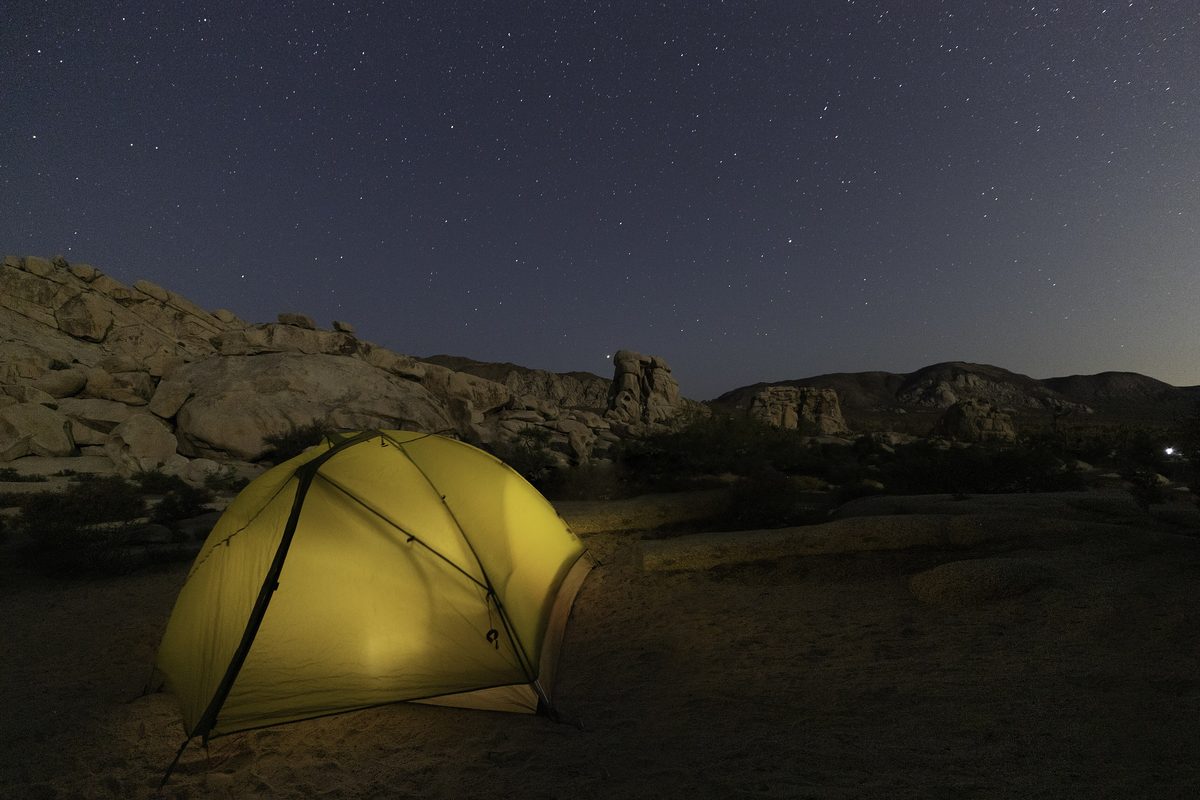
Why sleep is often the hardest part of camping
Plenty of campers love everything about a trip except the night. The ground feels hard, the bag feels too hot or too cold, a neighbor's generator hums, an owl calls at 2 a.m. and the sun lights the tent at dawn. Poor sleep makes the next day harder and is one of the most common reasons people give up on camping. The good news is that most sleep problems at camp have simple fixes. This guide brings them together, from picking the right spot to the last few minutes before you close your eyes.
Start with the site
Comfortable sleep begins before you pitch the tent.
- Find level ground. Even a gentle slope can slide you to one side all night. Lie down on the spot before you pitch to check. If there is a slight slope, sleep with your head uphill.
- Clear lumps. Remove pine cones, sticks and small stones from the tent footprint.
- Avoid low spots, where cold air and water collect overnight.
- Think about noise and light. At busy campgrounds, sites away from toilets, parking areas, roads and the main loop are usually quieter. Our guide to choosing a campground for first-timers has more tips.
- Look up for hazards like dead branches. See checking a tent site for hazards.
Build a comfortable sleep system
A sleep system is your pad, bag, pillow and what you wear, working together.
Pad. The pad cushions you and, just as important, insulates you from the cold ground. Many campers who blame their sleeping bag for a cold night are actually losing heat into the ground. Choose a pad with an R-value suited to the season and enough thickness for your sleeping position. See sleeping pad R-values. On car camping trips, a thicker pad or a cot can make a big difference; see choosing a camping cot.
Bag or quilt. Choose a temperature rating that matches the coldest night you expect, and remember that ratings are guides, not guarantees. See sleeping bag temperature ratings and matching sleeping bags and pads.
Pillow. A real pillow, an inflatable camp pillow or a stuff sack filled with soft clothes is far better than a bunched-up jacket. Our guide to choosing a camping pillow compares options.
Sleepwear. Change into clean, dry base layers and socks for sleeping. Clothes worn all day hold sweat and moisture and feel colder at night.
Stay warm, but not too warm
Cold is a common cause of poor sleep, but overheating wakes people up too.
- Eat a warm dinner and a small snack before bed. Digesting food helps your body produce heat.
- Warm up before you get in. A short walk or some gentle movement before bed helps you start warm.
- Use layers you can adjust in the night, such as a warm hat, a fleece or a liner. See sleep system layering for variable nights.
- Vent if you are hot. Unzip the bag partway or use it as a quilt.
- Ventilate the tent. Opening vents reduces condensation, which keeps bags drier and warmer. See tent ventilation and condensation.
- Never use fuel-burning heaters inside a tent. See carbon monoxide safety with camp stoves and heaters.
For colder trips, our guide to recognizing and preventing hypothermia at camp explains how to stay warm and dry in cool, wet weather.
Noise and light
- Bring earplugs. Soft foam earplugs are small, cheap and often the single biggest upgrade for light sleepers. Keep a spare pair in the tent.
- Try an eye mask. Early sunrise, a full moon or a neighbor's lantern can wake you. An eye mask keeps the tent dark.
- Pitch for morning shade if you can, so the sun does not heat the tent at dawn.
- Use white noise if it helps. Some people sleep better with a quiet fan or a sound app at low volume, as long as it does not disturb neighbors.
Many campgrounds set quiet hours, often starting in the evening and lasting until morning. Knowing your campground's quiet hours helps you plan, and following them helps everyone sleep. See campsite etiquette and Leave No Trace.
A simple bedtime routine
Routines tell your body it is time to sleep, even in a new place.
- Finish dinner, wash up and store food properly an hour or so before bed.
- Brush teeth and use the toilet.
- Change into dry sleep clothes.
- Set out a headlamp, water bottle, earplugs and anything you might need in the night within easy reach.
- Turn off bright lights and screens for a while before you lie down.
Try to keep a similar bedtime to the one you have at home, at least on the first night. Late, bright evenings around the campfire are part of the fun, but they can also make it harder to settle.
Nighttime bathroom trips
Few things wake you up more than a cold walk to the toilet at 3 a.m. Use the bathroom just before bed and keep a headlamp by your head. Before dark, learn the route to the toilet and note guylines and hazards around the tent. Some campers keep a dedicated pee bottle in the tent for cold nights, clearly labeled and kept well apart from drinking bottles. Our campsite lighting plan helps keep camp navigable without blinding neighbors.
Kids and partners
Children often sleep better at camp with a familiar pillow, blanket or toy from home and a routine that matches home as closely as possible. Let kids help set up their own sleeping spot. Our guide to camping with babies and toddlers covers younger children.
For couples, double sleeping pads, zip-together bags or simply two pads strapped together can help, but separate bags make it easier for people who run hot and cold to stay comfortable. Agree in advance on things like light, reading and phone use in the tent.
If you still cannot sleep
Many people sleep poorly on the first night in a new place, even when everything is set up well. Try not to worry about it. Rest quietly, keep your eyes closed and try slow, relaxed breathing. Reading with a dim red light can help you settle. If you are cold, add a layer or eat a snack. If you are uncomfortable, fix the problem rather than lying awake, whether that means topping up an air pad, moving a rock or adding a pillow. And remember the next night is often better.
Bottom line
Good sleep at camp comes from a level, quiet site, a pad and bag that match the conditions, dry sleep clothes, earplugs and an eye mask, and a simple routine. Stay warm without overheating, plan for bathroom trips and give yourself a night to adjust.
Filter sleeping bags & pads by spec → Compare up to 3 →
Related guides
- Sleep system layering for variable nights
- Sleeping Pad R-Values: How Warm Is Warm Enough
- How to Choose a Camping Pillow
- How to Match a Sleeping Bag and Pad for Cold Nights
- Tent Ventilation and Condensation: Why Tents Get Wet Inside
General guidance from CampTier, based on manufacturer instructions and common outdoor practice. We don’t claim hands-on testing. Always follow your gear maker’s care and safety instructions. See our safety notes.