
Wildlife encounters on the trail: keeping distance and staying safe
How to reduce the chance of risky wildlife encounters while hiking and camping, how much distance to give animals, and general guidance for meeting bears, mountain lions, moose, snakes and other wildlife, based on park agency advice.
By the CampTier team · Updated 2026-10-15 · About 6 min read
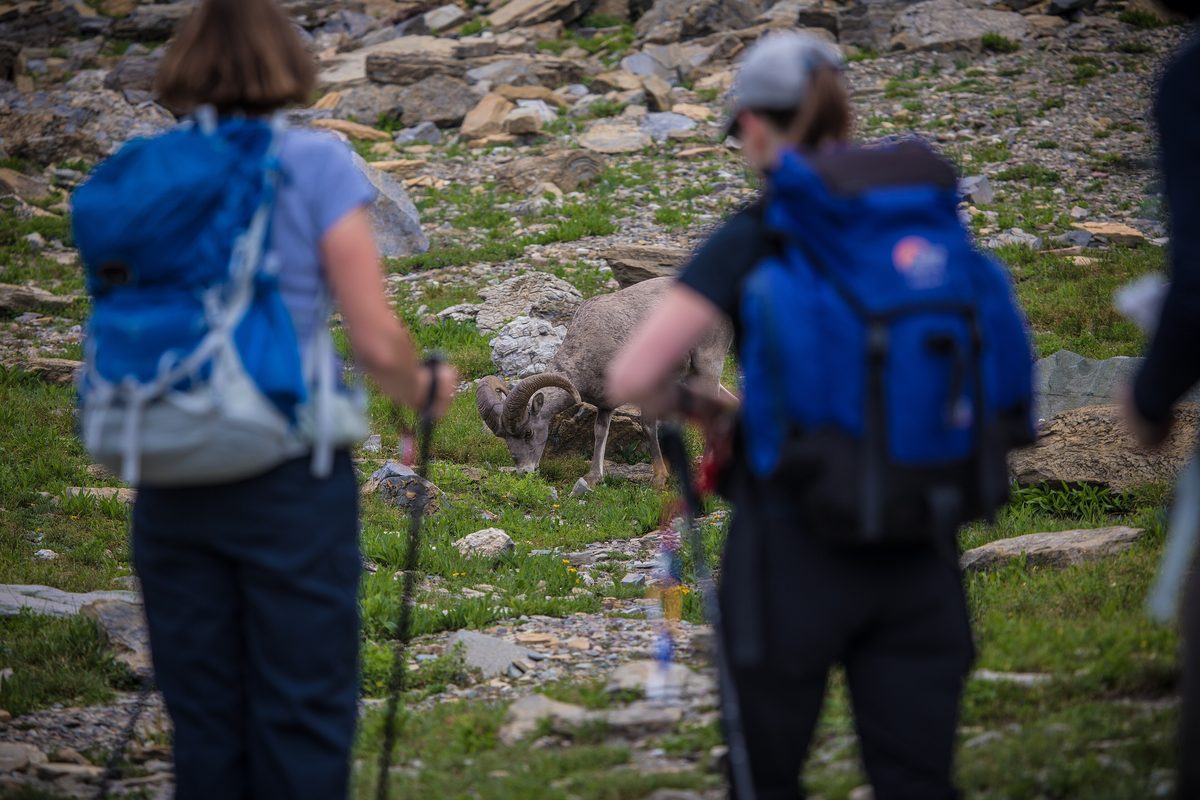
Seeing wildlife is part of the trip
Spotting animals in the wild is one of the joys of hiking and camping. Most encounters are brief and harmless: a deer crossing the trail, a squirrel scolding from a branch, a distant elk at dusk. Serious incidents are rare. When they happen, they often involve animals that were approached too closely, surprised at short range, protecting young or attracted by food.
This guide covers general principles drawn from park agency advice. Guidance differs between species and regions, so read the advice from the park or land manager where you are going, and follow any posted rules. It is not a substitute for local knowledge.
Prevention: the most important part
- Learn what lives there. Before you go, look up which animals are present and the area's guidance. Ranger stations and park websites usually publish it.
- Make noise in thick cover. Talking, calling out on blind corners and near loud streams helps animals hear you coming and move away. Bells are less reliable than voices.
- Hike in groups where advised. Some parks recommend groups in bear country.
- Watch for signs. Fresh tracks, scat, digging, carcasses or circling birds can mean an animal is nearby. Leave the area if you find a carcass.
- Keep dogs leashed. Off-leash dogs can provoke animals and lead them back to you. See camping with dogs.
- Be careful at dawn and dusk. Many animals are most active then. Our guide to night hiking with a headlamp covers hiking after dark.
- Store food properly. Food, trash and scented items left out teach animals to visit camps. See bear bag and food storage and keeping small animals out of camp food.
Keep your distance
Give wildlife space. If an animal changes its behavior because of you, such as stopping eating, staring or moving away, you are too close. Many parks publish minimum distances. For example, Yellowstone National Park asks visitors to stay at least 100 yards from bears and wolves and at least 25 yards from other large animals such as bison and elk. Use binoculars or a zoom lens instead of moving closer, and never feed animals or try to lure them for photos.
Bears
Bear guidance depends on the species and the situation, so learn the advice for the area you are visiting. Some general points from park agencies:
- Carry bear spray where it is recommended, know how to use it and keep it accessible, not buried in your pack. Check local rules on carrying it.
- If you see a bear at a distance, stay calm and give it space. Leave the area or wait for it to move on.
- If a bear is close, do not run. Running can trigger a chase. Stay together, talk in a calm voice so it knows you are human, and back away slowly if you can.
- Agencies give different advice for attacks depending on the species and whether the bear is defensive or predatory. Learn the guidance for the bears where you hike before you go.
Mountain lions
Mountain lions (also called cougars or pumas) are rarely seen. Park guidance generally says: do not run, keep children close and pick them up, face the animal, make yourself look as large as possible, speak firmly and back away slowly. If a mountain lion acts aggressively, agencies advise throwing objects and fighting back if attacked.
Moose, elk and other large animals
Moose, elk and bison can be dangerous, especially when protecting young or during mating season. Moose may charge if they feel crowded. If one lays its ears back or raises its hackles, back away. Agency guidance for moose says that if one charges, running away and getting behind a tree, boulder or vehicle can help. Give these animals extra room on trails and never get between a mother and her young.
Snakes
In many regions, venomous snakes live along trails. Most bites happen when people step on, handle or try to move a snake. Watch where you put your hands and feet, especially around rocks, logs and tall grass, and use a light at night. If you see a snake, give it plenty of space and walk around it widely or wait for it to move. If someone is bitten, keep them calm and still and seek emergency medical help immediately. Agency and medical guidance advises against cutting the wound or trying to suck out venom.
Smaller animals
Raccoons, squirrels, chipmunks, foxes and birds are the animals most campers actually deal with. They seem harmless, but they can bite, carry diseases and become pests when fed. Do not hand-feed them, and store food securely. An animal acting strangely, such as being unusually tame, aggressive or uncoordinated, may be sick; leave it alone and report it to staff.
Insects and ticks
Ticks and stinging insects cause more problems for hikers than large animals. Check for ticks after hikes and know whether anyone in your group has a serious allergy to stings. See bugs, ticks and insect protection at camp.
After an encounter
Report aggressive animals, animals that approach people and animals getting into food to park staff or rangers. Reports help them warn other visitors and manage problem animals.
Children and groups
Teach children to stay close on the trail, not to run ahead in wildlife areas, and what to do if they see a large animal: stop, stay calm and call an adult. Keep groups together in areas where large predators live.
Bottom line
Most wildlife encounters are safe when you give animals space. Learn what lives in the area, make noise in thick cover, keep dogs leashed, store food properly and use binoculars instead of getting closer. Know the local guidance for bears, mountain lions, moose and snakes before you go, carry bear spray where recommended and report problem animals to staff.
Carrying bear spray where it is recommended
In grizzly and black bear country, many land managers recommend carrying bear spray as a last line of defense. It only helps if it is labeled for bears, within its expiration date and carried where you can reach it in a second or two, such as a holster on your hip belt or chest strap rather than inside your pack. Everyone in the group should know where it is and how to remove the safety clip, and practicing the draw with an inert training canister builds confidence. Spray is meant for a bear that is approaching or charging at close range, not as a repellent on gear or skin. It does not replace food storage, noise in thick cover or keeping your distance. Our guide to carrying and using bear spray covers choosing a canister, wind, storage and travel rules.
Wildlife on winter and shoulder-season trails
Animal behavior changes with the seasons, so encounters change too. In fall, elk and moose enter the rut and males can be unpredictable and aggressive, so give them extra room. Bears feed heavily before winter and may be active at lower elevations near berry patches and food sources, and some emerge early in spring. In winter, many animals are conserving energy, and being chased or repeatedly disturbed can cost them reserves they need to survive, so watch from a distance and move on. Tracks in fresh snow are a great way to learn what lives nearby without disturbing anything. On snowy or icy trails, a startled animal on a narrow path is harder to step away from, so scan ahead, keep dogs leashed and pause to let wildlife move off. See snowshoeing basics for winter hikes for planning winter outings.
Related guides
- Carrying and using bear spray on hikes and at camp
- Trail etiquette and right of way for hikers
- Food Storage at Camp: Bear Boxes, Canisters and Hangs
- Keeping raccoons, mice, squirrels and birds out of camp food
- Night Hiking with a Headlamp
General guidance from CampTier, based on manufacturer instructions and common outdoor practice. We don’t claim hands-on testing. Always follow your gear maker’s care and safety instructions. See our safety notes.