
Trail etiquette and right of way for hikers
The common rules of the trail: who yields to whom, passing and being passed, sharing trails with bikes and horses, hiking with dogs, noise, music and staying on the trail.
By the CampTier team · Updated 2026-10-15 · About 5 min read
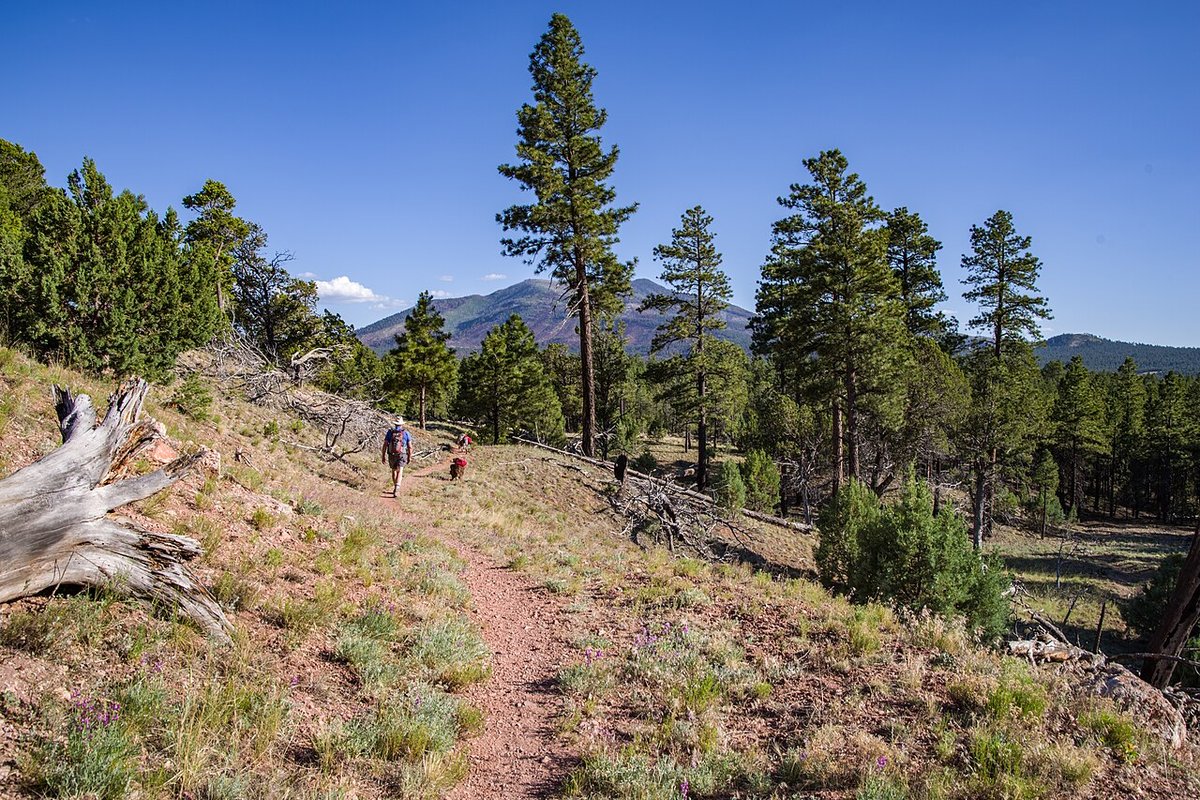
Why trail etiquette matters
Trails are shared spaces. On a busy weekend, you might meet families, trail runners, backpackers, mountain bikers, horse riders and dog walkers on the same path. A few widely accepted habits keep everyone safe, reduce conflict and protect the trail itself. This guide covers the common rules of right of way, how to pass and be passed, sharing trails with bikes and horses, and simple courtesies that make the outdoors better for everyone. Local rules vary, so check signs at the trailhead and the land manager's website.
The basic right-of-way rules
Many land managers and trail organisations in the US teach a simple triangle:
- Bikers yield to hikers and horses.
- Hikers yield to horses.
- Everyone yields to horses, because they can spook easily.
In practice, it is often easier for one person to step aside than for a group of bikes or a horse to stop, so use common sense. Communicate, make eye contact and agree on who will move.
Uphill hikers usually have the right of way
On narrow trails, hikers going downhill commonly yield to those going uphill. Climbing takes more effort, and stopping can break a hiker's rhythm. The uphill hiker may choose to step aside and take a break, which is fine; let them decide.
Passing and being passed
When you want to pass someone:
- Announce yourself in a friendly voice, such as "Hi, passing on your left."
- Wait until there is a safe place to pass.
- Pass on the left where possible, and thank them.
When someone wants to pass you:
- Step to the side of the trail, ideally onto a durable surface such as rock rather than vegetation.
- Keep your group together on one side, rather than splitting across the trail.
- Hold trekking poles close so they do not trip anyone. See trekking poles basics.
Sharing trails with horses
Horses are large animals that can be startled by sudden movements, unusual shapes and noises. When you meet horses:
- Stop and step off the trail, usually on the downhill side, unless the rider asks otherwise.
- Speak calmly to the rider. Hearing a human voice helps the horse recognise you as a person, especially if you are wearing a large pack.
- Stay still and quiet until the horse has passed.
- Ask the rider if you are unsure what to do.
If you are approaching horses from behind, call out early and calmly so the rider knows you are there.
Sharing trails with bikes
On multi-use trails, mountain bikers are expected to yield to hikers, but bikes can approach quickly. Stay alert, especially on blind corners and descents. If you hear a bike coming, step aside if it is easier. Many bikers will slow down and thank you. If you ride as well as hike, ride in control, slow down on blind corners and give a friendly warning when approaching others.
Hiking with dogs
Dogs are welcome on many trails, but rules vary. Some areas require leashes, some limit leash length and some ban dogs completely, including many trails in US national parks. Check before you go. When hiking with a dog:
- Keep your dog leashed where required, and under control at all times.
- Step aside with your dog when others pass, and keep it close.
- Do not let your dog approach other people, dogs, horses or wildlife without permission.
- Pick up and pack out dog waste.
Our guide to camping with dogs has more on hiking and camping with a dog.
Stay on the trail
Walking off the trail, cutting switchbacks or widening muddy sections damages plants and causes erosion. Stay on the main path, even if it means walking through mud or puddles. Walk single file in narrow sections. When stopping for breaks, step onto rock or bare ground rather than vegetation. These are core parts of Leave No Trace.
Noise and music
Many people go outdoors for quiet. Keep voices at a reasonable level and avoid playing music through speakers. If you want music, use headphones, but keep the volume low enough to hear people approaching, bikes, horses and wildlife.
Groups
Large groups can feel overwhelming on a narrow trail. Hike in smaller groups if possible, keep the group together on one side when others pass and avoid spreading out across the trail at viewpoints and summits. Take turns at popular photo spots.
Wildlife
Give animals plenty of space. Never feed wildlife. If an animal is on the trail, wait for it to move or back away and find another route. Our guide to wildlife encounters on the trail covers safe distances and what to do.
Trash and toilets
Pack out everything you bring in, including food scraps such as orange peels and nutshells. Use toilets at trailheads when available. If you need to go on the trail, follow local guidance on catholes or packing out waste.
Respect closures and trail conditions
Trails are sometimes closed for wildlife, erosion repair, fire damage or unsafe conditions. Respect closure signs and detours, even if the trail looks fine to you. Closures protect both hikers and the land, and ignoring them can lead to fines. After heavy rain, some land managers ask hikers to avoid muddy trails altogether, because walking on saturated ground can damage the tread. Checking recent conditions before you go helps you pick a better trail for the day.
Being friendly
A simple hello goes a long way. Many hikers share trail conditions, warnings about hazards or tips on water sources. Be patient with beginners and kids; everyone starts somewhere. Our guide to hiking with kids has tips for families.
Quick reference
- Bikes yield to hikers and horses; hikers yield to horses.
- Downhill hikers usually yield to uphill hikers.
- Announce yourself when passing.
- Step aside on durable ground.
- Follow leash rules and pack out dog waste.
- Stay on the trail and do not cut switchbacks.
- Keep noise down and use headphones for music.
Bottom line
Trail etiquette is about safety, respect and protecting the trail. Know the right-of-way basics, communicate when passing, give horses and wildlife space, keep dogs under control and stay on the path. A little courtesy keeps trails welcoming for everyone. Good footwear helps you stay on the trail through mud and rocks; see choosing hiking footwear.
Filter hiking boots by spec → Compare up to 3 →
Related guides
- Carrying and using bear spray on hikes and at camp
- Snowshoeing basics for winter hikes
- Campsite Etiquette and Leave No Trace
- Camping with Dogs: Gear Side
- Trekking Poles for Camping and Day Hikes
General guidance from CampTier, based on manufacturer instructions and common outdoor practice. We don’t claim hands-on testing. Always follow your gear maker’s care and safety instructions. See our safety notes.