
Carrying and using bear spray on hikes and at camp
How to carry and use bear spray in bear country: what bear spray is and how it differs from personal pepper spray, choosing a canister, where to carry it, practicing the draw, when and how to spray, wind and range, storage, travel rules, expiry dates and what to do after a discharge.
By the CampTier team · Updated 2026-10-15 · About 5 min read
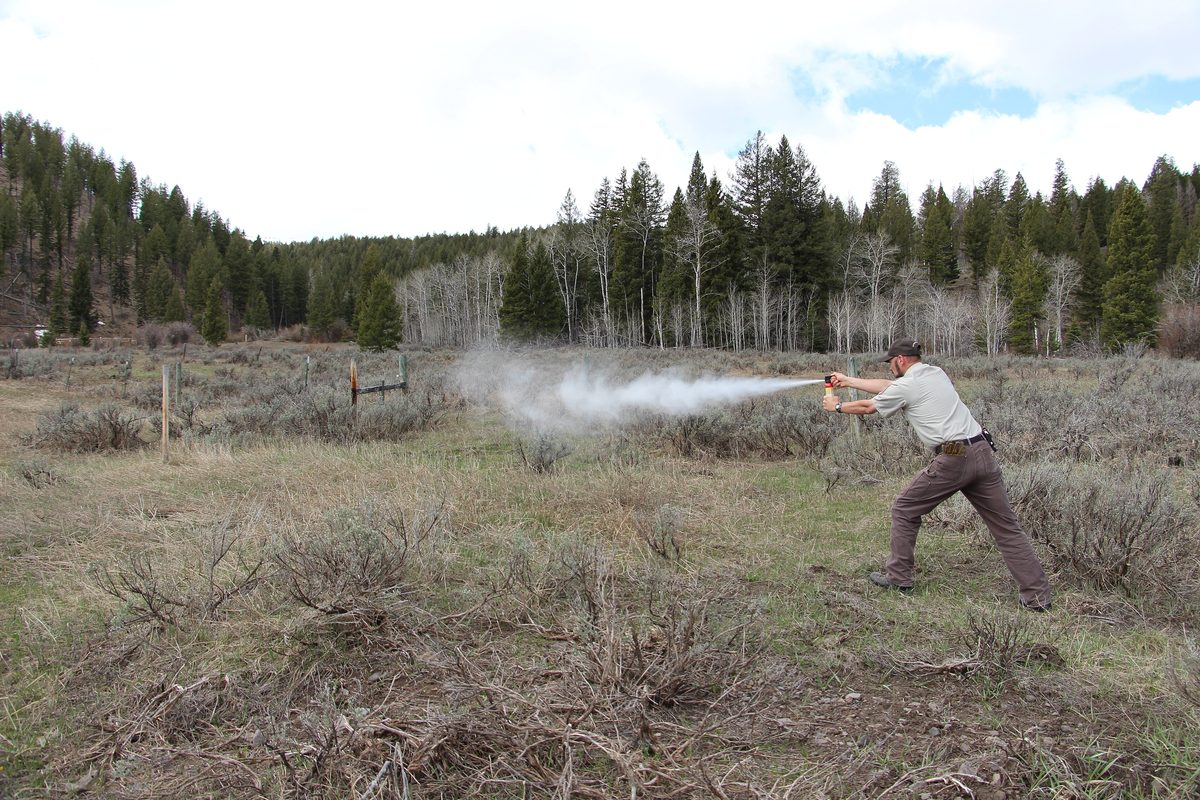
Why bear spray matters
In much of North America's bear country, land managers recommend carrying bear spray as a last line of defense in a close encounter. It is not a replacement for good habits. Making noise in thick cover, hiking in groups, storing food properly and giving animals plenty of space prevent most problems in the first place. But if a bear approaches, charges or will not leave, a cloud of spray between you and the animal can give you time and distance.
This guide covers choosing, carrying and using bear spray. It is general guidance, so always follow the advice of the park or forest you are visiting and the instructions printed on your canister. For the bigger picture on staying safe around animals, see wildlife encounters on the trail.
What bear spray is (and is not)
Bear spray is a pressurized aerosol made from capsaicin and related compounds, the substances that make hot peppers hot. It is designed to spray a wide, fast-moving cloud over a long distance, so you do not need perfect aim at a moving animal. The cloud irritates a bear's eyes, nose and lungs and usually makes it break off an approach.
Bear spray is different from personal pepper spray or mace sold for self-defense against people. Those products typically spray a narrow stream over a shorter distance and are not designed or labeled for bears. In the United States, bear spray is registered with the Environmental Protection Agency as a pesticide, so look for an EPA registration number and wording that says it is for deterring bears.
Choosing a canister
A few things to check on the label before you buy:
- Labeled for bears. Choose a product made and labeled specifically as bear spray, with an EPA registration number.
- Spray duration and range. Larger canisters spray longer and farther. The Interagency Grizzly Bear Committee publishes minimum guidelines for active ingredient, spray time, range and canister size, and reputable products list these figures on the canister.
- Expiration date. Canisters lose pressure over time. Check the date when you buy and before every season.
- Size and weight. Bigger canisters weigh more, but a small canister that runs out in a second or two offers little margin.
One canister per person is a common recommendation for groups in grizzly country, so that whoever sees the bear first can respond.
Carrying it where you can reach it
Bear spray only helps if you can reach it in a second or two. A canister buried in your pack, clipped behind you or left in the car will not help in a surprise encounter. Common carry positions include:
- A holster on your hip belt or chest strap, on the side of your dominant hand
- A chest harness for hikers who use packs without a hip belt
- Within arm's reach at camp, such as in a tent pocket near the door or on the picnic table while you cook
Keep the safety clip on while you carry it, and make sure the holster holds the canister securely when you scramble, bend over or sit down. If you take your pack off for a break, take the spray with you.
Practice the draw before you need it
Under stress, fine motor skills fade quickly, so familiarity matters. Some makers sell inert practice canisters that spray only propellant, which let you rehearse safely. At home or at the trailhead:
- Practice removing the canister from its holster with one hand.
- Practice flicking off the safety clip with your thumb without looking.
- Practice aiming slightly downward and holding a short burst, using an inert canister if you have one.
Everyone in your group should know where each canister is and how to use it. Show children where the spray is and teach them to come to an adult rather than handling it themselves.
When and how to spray
Most park agencies advise using bear spray when a bear is approaching or charging and is close, often described as within roughly 30 to 60 feet. Spraying an animal that is far away and not approaching wastes spray and can make the situation worse. General steps from park guidance:
- Remove the safety as soon as you see a bear approaching.
- Aim slightly downward in front of the bear, so the cloud billows up into its path.
- Spray in short bursts of a second or two, adjusting for wind and the bear's movement, and keep some spray in reserve.
- Leave the area once the bear breaks off, moving away calmly without running, and do not follow it.
Follow local guidance about the difference between defensive and predatory encounters and what to do if spray does not stop an attack. Park visitor centers and ranger stations often have handouts or short talks on this.
Wind, rain and cold
Wind is the biggest practical limitation. A strong headwind can blow spray back toward you and reduce its range, while a crosswind can push the cloud aside. Even so, spray can still put a barrier in front of the bear, so most guidance is to use it anyway and adjust your aim. Very cold weather can reduce canister pressure, so keep the spray close to your body on winter hikes and check the label for its temperature range.
Bear spray is not a repellent
Never spray bear spray on yourself, your tent or your gear the way you would use insect repellent. The residue does not repel bears, and some guidance warns the smell may even attract curious animals once the sting fades. Bear spray is only for spraying at an approaching animal.
It also does not replace food storage. Use bear boxes, canisters or a properly hung bag where required. See bear bag and food storage and hanging a bear bag step by step.
Storage, travel and expiry
Store canisters somewhere cool and out of direct sun. A car dashboard on a hot day can damage a canister, and an accidental discharge inside a vehicle is miserable. Keep spray away from children's reach at home.
Commercial airlines generally do not allow bear spray in carry-on or checked bags, so many travelers buy or rent a canister near their destination. Some national park areas have rental kiosks. Rules also differ across borders, so check before you drive into another country with a canister.
An expired canister may still spray, but with less pressure and range, so replace it. Dispose of old canisters according to local hazardous waste rules.
After a discharge
If you or a companion gets spray in the eyes or on the skin, move to fresh air, flush with plenty of cool water and avoid rubbing. Discomfort is usually temporary, but seek medical care if breathing problems or severe pain continue. Report any encounter that involved spray to park or forest staff so they can warn other visitors. Keep dogs leashed in bear country, as covered in camping with dogs gear.
Bottom line
Bear spray is a proven, widely recommended tool in bear country, but only if it is labeled for bears, within date, carried where you can reach it in seconds and used by someone who has practiced the draw. Pair it with good habits, follow local guidance on when to use it and never treat it as a substitute for food storage or keeping your distance.
Related guides
- Wildlife encounters on the trail: keeping distance and staying safe
- Food Storage at Camp: Bear Boxes, Canisters and Hangs
- Hanging a Bear Bag Step by Step
- Keeping raccoons, mice, squirrels and birds out of camp food
- Trail etiquette and right of way for hikers
General guidance from CampTier, based on manufacturer instructions and common outdoor practice. We don’t claim hands-on testing. Always follow your gear maker’s care and safety instructions. See our safety notes.