
Setting up camp after dark: a calm, step-by-step plan
How to arrive at a campsite after dark and set up safely: late-arrival rules, packing the car for night setup, lighting, choosing a tent spot by headlamp, a simple setup order and being a good neighbour.
By the CampTier team · Updated 2026-10-15 · About 5 min read
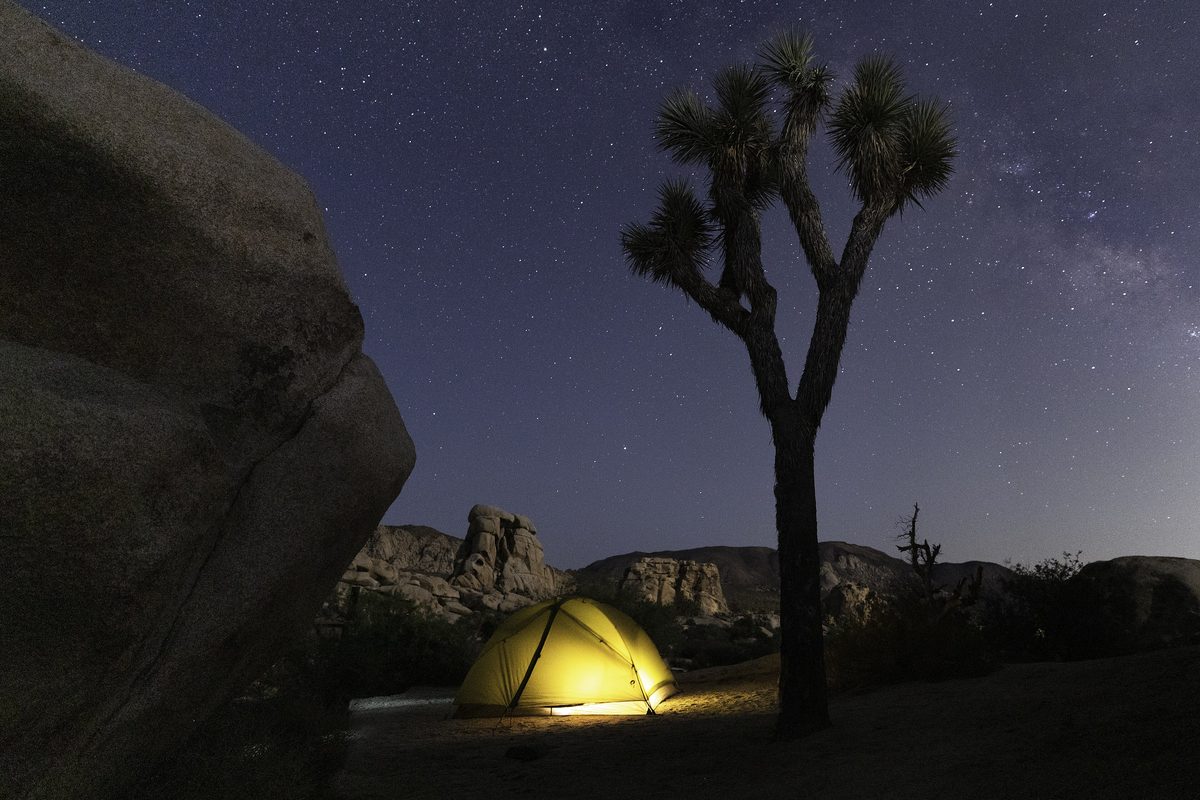
Why late arrivals happen
Traffic, work, a long drive or a late start can mean pulling into a campground after the sun has gone down. Setting up in the dark is slower and more frustrating than in daylight, but with a little preparation it can be calm and safe. This guide explains how to plan for a late arrival, pack so you can find things in the dark, pick a safe spot by headlamp and get to bed without waking the whole campground.
Check late-arrival rules
Before you leave, find out how the campground handles late arrivals. Some things to check:
- Gate hours: some campgrounds lock gates at night.
- Check-in: whether you need to check in at an office or kiosk, and what to do if it is closed.
- Site assignment: whether your site is assigned in advance or chosen on arrival. First-come sites can be hard to judge in the dark.
- Quiet hours: most campgrounds have quiet hours in the evening, so you may be setting up during them.
Save your reservation details and the campground map offline, since cell signal may be weak. If you are running very late, call the campground if a number is listed.
Practise at home
The best preparation is pitching your tent at home before the trip, especially if it is new. You will learn how the poles connect, which clips go where and whether anything is missing. Some campers practise once with their eyes half-closed or at dusk, just to see how it feels. Our guide to how to set up a tent walks through the basics.
Pack the car for a night arrival
How you pack makes a big difference. Load the car so the things you need first come out first:
- Headlamps and a lantern in a door pocket or the front seat
- Tent, footprint, stakes and mallet at the back of the trunk, easy to reach
- Sleeping bags, pads and pillows next
- A small "first night" bag with toothbrushes, sleep clothes, water and a snack
- Kitchen gear and coolers last, since you may not need to unpack them until morning
Keep stakes and the mallet in a bag with the tent so they do not get lost in the dark.
Lighting that helps
Everyone should have a headlamp on before getting out of the car. A lantern set on the picnic table or hung from a tree gives you a wide, steady area of light to work in. See choosing a camping lantern and our campsite lighting plan. Use medium brightness for setup, and point beams down rather than into neighbouring sites. Our guide to headlamp battery and beam habits explains modes and battery planning.
Turning car headlights onto your site can help briefly, but it can also shine into other campers' tents and drain your battery. Use it sparingly, if at all.
Pick your spot carefully
In daylight, it is easy to see slopes, rocks, roots and hazards. At night, you have to look harder. Before pitching:
- Walk the tent pad with your headlamp, looking for rocks, sticks, pine cones and roots.
- Check the slope by lying down briefly, or by placing a water bottle on its side to see if it rolls.
- Look up for dead branches or leaning trees overhead.
- Look for low spots where water could pool if it rains.
- Stay on the tent pad or established area in a campground.
Our guide to checking a tent site for hazards covers what to look for in more detail.
A simple setup order
Working in a set order prevents confusion:
- Park, turn on headlamps and set up the lantern.
- Clear the tent area of debris.
- Lay out the footprint or groundsheet.
- Pitch the tent and stake it out. Stake the corners first, then the fly and guylines.
- Set out sleeping pads and inflate them, then lay out sleeping bags.
- Put food, coolers and scented items in bear boxes or the car according to campground rules.
- Set up the rest of camp in the morning.
If rain is forecast, put up the fly and guylines properly even if you are tired. A loosely pitched tent can let water in overnight. If wind is expected, see pitching a tent in wind.
Store food right away
In many campgrounds, especially in bear country, rules require that food, coolers and scented items be stored in bear boxes or vehicles whenever you are not using them, including overnight. It is easy to leave a cooler out when you arrive tired. Make food storage part of your first-night routine. See bear bag and food storage.
Keep it quiet
Other campers may already be asleep. To be a good neighbour:
- Keep voices low and avoid shouting instructions.
- Close car doors gently and avoid slamming the trunk.
- Turn off car alarms and lock beeps if you can.
- Keep music off.
- Point lights away from other sites.
Agree on roles before you arrive so you do not have to talk much at the site. For example, one person pitches the tent while another sets up sleeping gear.
Kids and late arrivals
If kids are asleep in the car, set up the tent and sleeping area first, then move them straight into their sleeping bags. Keep a familiar blanket or toy handy. Give older kids a headlamp and a simple job, such as holding the lantern or handing out stakes.
Safety notes
- Watch for guylines, tent stakes and fire rings in the dark.
- Do not wander far from your site without a light.
- Know where the nearest toilet is before you need it.
- Keep the first-aid kit easy to reach.
The next morning
In daylight, check your setup. Tighten guylines, adjust stakes, move the tent if it is on a slope or in a low spot and finish setting up the kitchen and common area.
Night-arrival checklist
- Late-arrival rules and campground map saved offline
- Tent practised at home
- Headlamps and lantern within reach
- Tent, stakes and mallet packed together and easy to reach
- First-night bag packed
- Plan for food storage on arrival
Bottom line
A late arrival does not have to be stressful. Check the campground's rules, practise pitching your tent, pack the car so night essentials come out first and work by lantern light in a set order. Store food right away, keep noise down and finish the rest of camp in the morning. For a full list of what to bring, see the first car-camping checklist.
Filter lighting by spec → Compare up to 3 →
Related guides
- Campsite Lighting: A Simple Plan for Safe, Comfortable Nights
- How to Set Up a Tent the First Time
- Headlamp battery and beam habits
- Checking a tent site for hazards: trees, water, slopes and wind
- First Car-Camping Trip Checklist
General guidance from CampTier, based on manufacturer instructions and common outdoor practice. We don’t claim hands-on testing. Always follow your gear maker’s care and safety instructions. See our safety notes.