
Camping during fall foliage season: timing, crowds and cold nights
How to plan a fall foliage camping trip: timing peak color, booking ahead for busy weekends, shorter days and cold nights, wet leaves on trails, hunting seasons and blaze orange, fire restrictions and a packing list for autumn camps.
By the CampTier team · Updated 2026-10-15 · About 5 min read
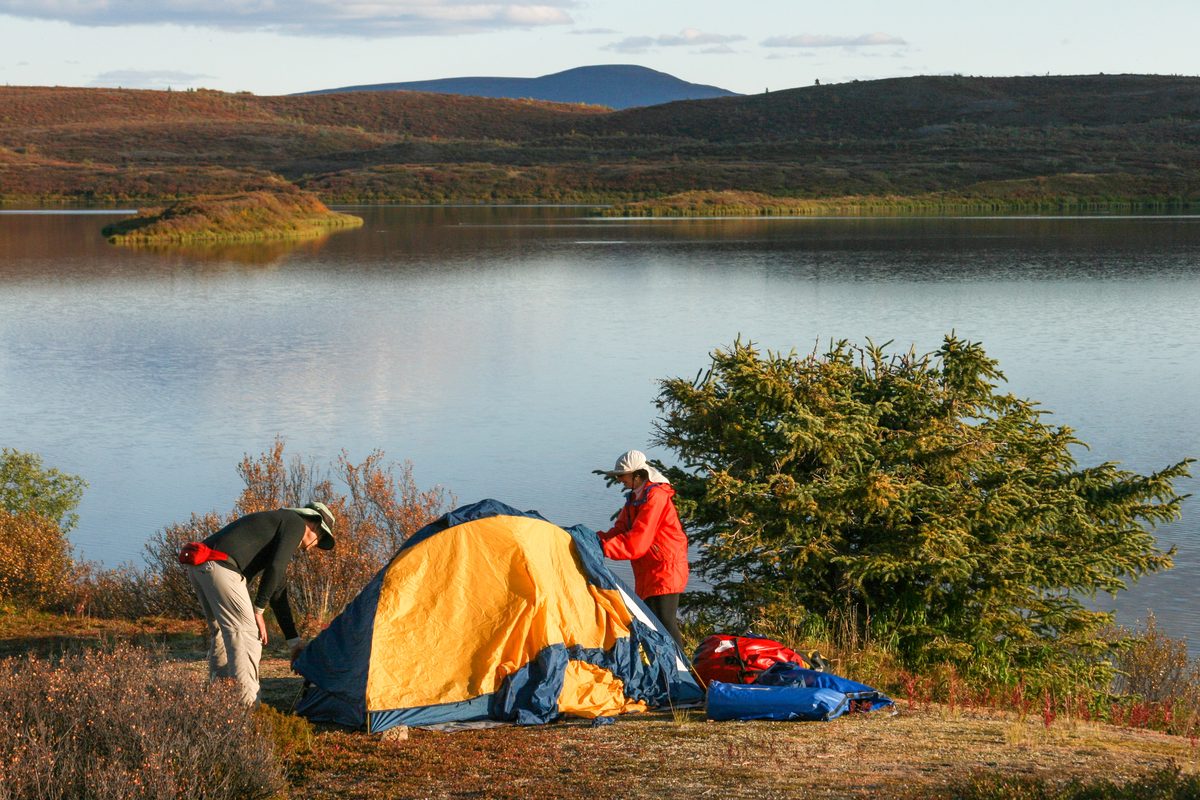
Why fall foliage trips need their own plan
Autumn can be one of the best times to camp: fewer bugs, crisp air and hillsides turning red, orange and gold. It also brings its own challenges. Popular foliage areas get busy on peak weekends, days are noticeably shorter, nights can drop below freezing and wet leaves hide roots and rocks on trails. This guide focuses on the planning that is specific to foliage season. For general cool-weather packing, pair it with our shoulder season camping checklist.
Timing peak color
Peak color does not arrive on a fixed date. It varies by latitude, elevation, tree species and each year's weather. In general, color tends to change earlier at higher elevations and farther north, then works its way downhill and south over several weeks. A dry summer, early frost or a windy storm can change the timing or shorten the show.
Useful ways to plan:
- Check foliage reports. Many state tourism, park and forestry agencies publish fall color reports or maps during the season.
- Think in ranges, not single days. If your dates are flexible, aim for a window and pick the final weekend once reports firm up.
- Use elevation. If the valley is past peak, higher ground may still have color, or the reverse early in the season.
- Have a plan for bare trees. A good lake, ridge walk or campfire evening makes the trip worthwhile even if the timing misses.
Book early and consider weekdays
Foliage weekends can fill campgrounds weeks or months ahead, especially near famous scenic drives. Reserve as early as your plans allow, check cancellation policies and consider weekday nights, which are often quieter. Some campgrounds close for the season in autumn or reduce services, such as turning off water systems, so confirm opening dates. Our guide to finding and booking a campsite covers reservation systems and first-come sites.
Shorter days
After the September equinox, nights in the Northern Hemisphere are longer than days, and the gap grows through autumn. In the United States, daylight saving time ends on the first Sunday in November, which moves sunset an hour earlier on the clock. Practical effects:
- Plan drives to arrive with daylight to spare for setting up.
- Start hikes early and set a firm turnaround time.
- Pack headlamps with fresh batteries for everyone.
- Expect longer evenings at camp, so bring a lantern, warm layers and something to do.
If you do arrive late, our guide to setting up camp after dark has a step-by-step plan.
Cold nights and frost
Autumn temperatures can swing widely between afternoon and night, and frost is common in many areas. Plan your sleep system for the coldest expected hour rather than the daytime high:
- An insulated sleeping pad matters as much as the bag, because cold ground pulls heat away.
- A sleeping bag rated with some margin below the forecast low gives breathing room.
- Dry base layers, a warm hat and dry socks for sleeping help.
- Ventilate the tent to reduce condensation, which can freeze on the inside of the fly on cold nights.
Our guide to sleep system layering for variable nights explains how to combine pads, bags, liners and clothing.
Clothing for autumn swings
Layering lets you adjust as the day warms and cools. A typical setup includes a moisture-wicking base layer, an insulating fleece or puffy jacket and a wind and rain shell. Gloves and a hat are easy to forget and make a big difference in the morning. See layering for camping for the basics.
Trails covered in leaves
Fallen leaves are beautiful but can make trails slippery, especially when wet, and they hide roots, rocks and holes. Some practical habits:
- Wear footwear with good grip and ankle support if you prefer it. See choosing hiking footwear.
- Shorten your stride on downhill sections and use trekking poles if they help.
- Watch for trail markers, since leaf cover can make faint paths harder to follow.
- Allow extra time compared with a summer hike on the same trail.
Hunting seasons
Many public lands allow hunting in autumn. Check your state wildlife agency for season dates and rules where you plan to camp and hike. In areas where hunting is allowed, wearing bright blaze orange on your upper body and head helps make you visible, and many hikers put a bright vest or bandana on their dog as well. Stay on marked trails, avoid wearing white or brown during deer season and be especially visible around dawn and dusk.
Fire restrictions and dry leaves
Dry autumn leaves and grasses can burn easily, and some regions have fire restrictions well into the fall. Check current rules before you light a campfire, use existing fire rings and keep a cleared area around them. Never leave a fire unattended, and make sure it is completely out before you leave or go to bed. Our guide to building a safe campfire covers the steps.
Campsite choice in autumn
- Look up before you pitch. Check for dead branches or leaning trees over your tent site, since autumn winds can bring them down.
- Think about cold air. Cold air often settles in low spots at night, so a site slightly above a valley floor may be a little warmer.
- Catch the morning sun. A site with an open view to the east helps dry dew and frost from your tent faster.
- Mind the leaves. A thick layer of leaves under your tent can hide sticks and stones, so clear the spot by hand first.
For more site checks, see checking a tent site for hazards.
Wildlife in autumn
Many animals are active in autumn as they prepare for winter, so food storage rules matter as much as ever. Store food and scented items properly and keep a clean camp. If you see wildlife, keep your distance and give animals space to move away.
A foliage-trip packing list
- Warm sleeping bag and insulated pad
- Base layers, fleece or puffy jacket, rain shell, hat and gloves
- Headlamps and spare batteries, plus a lantern
- Grippy footwear and trekking poles if you use them
- Blaze orange items if hunting is allowed nearby
- Hot drinks and easy warm meals
- A printed or offline map, since cell coverage can be patchy in hill country
Bottom line
Fall foliage camping rewards flexible timing and good preparation. Watch color reports, book early, plan for short days and cold nights, take care on leafy trails and check hunting seasons and fire rules before you go. With the right layers and a warm sleep system, an autumn weekend can be one of the best trips of the year.
Related guides
- Shoulder-Season Camping Checklist
- Sleep system layering for variable nights
- How to Layer Clothing for Camping
- How to Find and Book a Campsite
- Setting up camp after dark: a calm, step-by-step plan
General guidance from CampTier, based on manufacturer instructions and common outdoor practice. We don’t claim hands-on testing. Always follow your gear maker’s care and safety instructions. See our safety notes.