
Bike camping basics: planning your first overnight by bicycle
How to plan a first bike camping overnight: choosing a route and campsite, racks, panniers and frame bags, packing light and balanced, a simple gear list, test rides, bike repair basics, food and water, and riding and camping safely.
By the CampTier team · Updated 2026-10-15 · About 5 min read
Why try bike camping
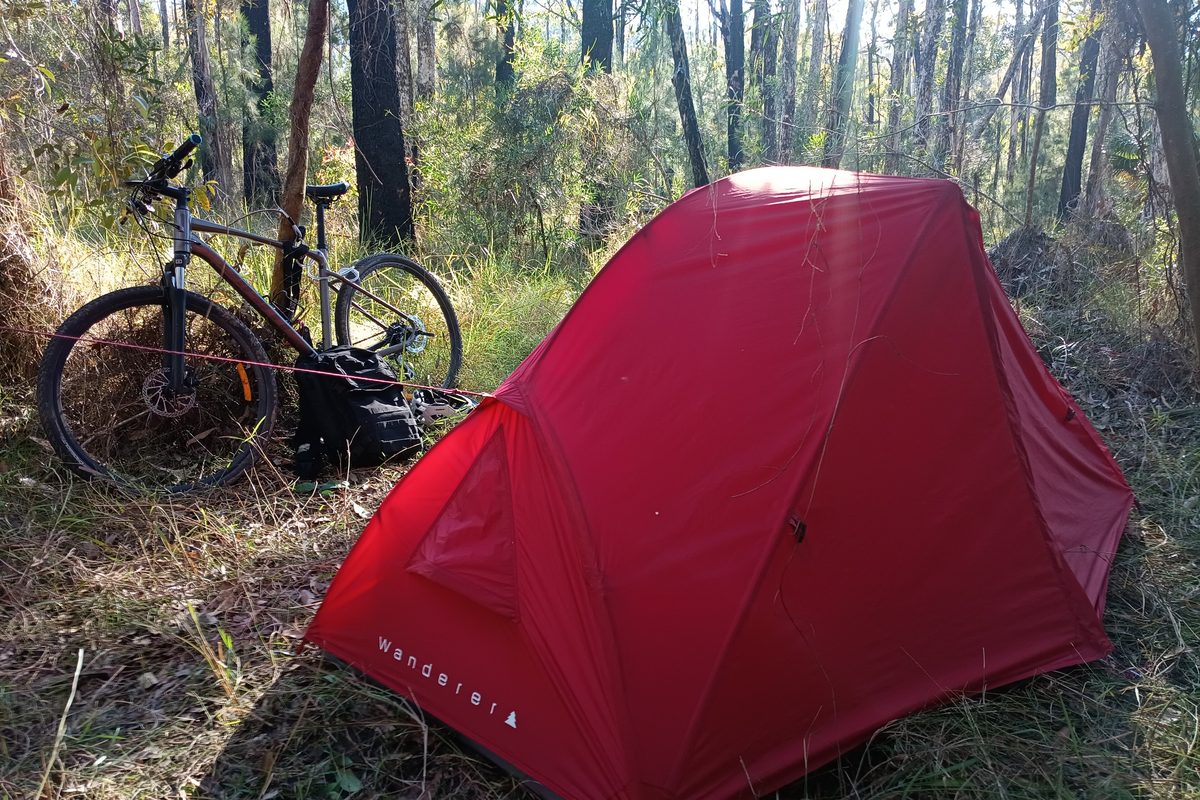
Bike camping combines two simple pleasures: a day on the bike and a night under the stars. You carry your gear on the bicycle rather than on your back, so you can cover more ground than on foot while still traveling quietly and simply. A first trip does not need a special touring bike or expensive bags. Many riders start with the bike they already own, a rack or a few straps, and a short route to a campground they can reach in an afternoon.
This guide covers how to plan a first overnight, carry gear, pack sensibly and stay safe. It is general guidance, not a substitute for local knowledge, so check your route, campground rules and bike setup before you go.
Start with a short, easy route
For a first overnight, keep the distance modest and the route familiar. A ride that would feel easy without luggage will feel noticeably harder with it, especially on hills. A few planning tips:
- Choose a destination you can reach with daylight to spare, so you are not setting up in the dark after a tiring ride.
- Favor quiet roads, bike paths or gentle gravel routes. Busy roads with narrow shoulders are stressful on a loaded bike.
- Know your bailout options, such as a shop, a town or a friend with a car.
- Check the weather and wind forecast, since a headwind can double the effort of a loaded ride.
Some state park systems, such as California's, offer hike-and-bike campsites set aside for people arriving without a car. Elsewhere, look for campgrounds that accept walk-in or bike-in campers, and check whether reservations are required. Our guide to finding and booking a campsite covers how to search.
Ways to carry gear on a bike
Racks and panniers. A rear rack with a pair of panniers (bags that clip to the rack) is the classic touring setup. Panniers hold a lot, are easy to pack and unpack at camp, and keep weight low. Check that your bike has mounting points for a rack, or use a rack designed for bikes without them.
Bikepacking bags. Frame bags, seat packs and handlebar rolls strap directly to the bike without racks. They are popular on gravel and mountain bikes because they keep the bike narrow and handle rough terrain well, but they hold less and reward a more compact kit.
A small backpack. Fine for a few light items, but a heavy backpack is tiring and makes you sweaty on a bike. Keep most weight on the bike instead.
Straps and dry bags. On a budget, a rear rack, a couple of dry bags and some straps can carry a light overnight kit. See stuff sacks and dry bags for camping.
Packing light and balanced
Weight affects how a loaded bike climbs, brakes and steers, so a little discipline goes a long way.
- Keep heavy items low and centered, such as food, water and tools, close to the frame.
- Balance left and right if you use panniers, so the bike does not pull to one side.
- Put soft, light items up high or on the handlebars, such as a sleeping bag or clothes.
- Keep often-used items within reach, such as snacks, a phone, a rain jacket and sunscreen, in a top tube or handlebar bag.
- Waterproof what matters, especially your sleeping bag and dry clothes.
Our guide to reducing pack weight for backpacking has ideas that apply equally to bike camping, and packing cubes and organization for backpacks explains how to keep small items findable.
A simple overnight gear list
Camp:
- A small tent, tarp or bivy, and a compact sleeping bag and pad
- Headlamp and a small battery bank
- Lightweight stove, fuel, pot and utensils, or a no-cook food plan
- Water bottles or a reservoir, plus water treatment if needed
Riding:
- Helmet, gloves and eyewear
- Front and rear lights
- Layers, including a warm jacket for camp and a rain shell
- Sunscreen and lip balm
Bike repair:
- Spare tube or tubeless repair kit, tire levers and a pump
- A multi-tool that fits your bike's bolts
- A few zip ties and a small roll of tape
- Chain lube for longer trips
Our weekend backpacking packing list is a good cross-check for camp items.
Do a test ride
Load the bike fully and ride it around your neighborhood before the trip. A loaded bike feels different. Check that:
- Bags do not touch your heels, the wheels or the brakes.
- Nothing rattles, sags or shifts when you go over bumps.
- You can start, stop and turn comfortably with the weight.
- Your brakes work well with the extra load.
- Your tires are inflated within the range printed on the sidewall.
If something feels wrong, adjust it at home rather than at the side of the road.
Basic repairs before you go
Practice fixing a flat at home with the tools you will carry, including removing and refitting the wheel on a loaded bike. Check your brake pads, chain and tire wear before the trip, or ask a bike shop for a quick safety check. Carrying a repair kit only helps if you know how to use it.
Food and water on the road
Riding with a load burns energy. Eat small snacks regularly and drink before you feel thirsty, especially in warm weather. Plan where you can refill water along the route, since some campgrounds have no potable water. Our guide to how much water to carry on hikes explains how to think about water needs, and planning camping meals for a weekend has simple menu ideas.
Safety on the road and at camp
- Be visible. Use lights front and rear, even in daylight on busier roads, and wear bright or reflective clothing. Check local laws on bike lights.
- Ride predictably and follow traffic laws.
- Tell someone your route and when you expect to arrive.
- Lock the bike at camp, or keep it close to your tent, and store food so wildlife cannot reach it. See bear bag and food storage.
- Mind the heat and storms. Plan rest stops in shade on hot days, and know where to shelter if thunderstorms are forecast.
Bottom line
A first bike camping trip can be simple: a short route, a reachable campground, a modest load packed low and balanced, and a repair kit you know how to use. Do a test ride, carry enough water and food, stay visible on the road and start small. Once you have one overnight under your belt, longer trips are much easier to plan.
Filter backpacks by spec → Compare up to 3 →
Related guides
- Planning your first backpacking overnight
- Weekend Backpacking Packing List
- Reducing pack weight for backpacking without cutting safety
- Stuff sacks and dry bags for camping
- How to Find and Book a Campsite
General guidance from CampTier, based on manufacturer instructions and common outdoor practice. We don’t claim hands-on testing. Always follow your gear maker’s care and safety instructions. See our safety notes.