
Packing Cubes and Organization for Backpacks
How to use packing cubes, stuff sacks and zip pouches to organize a backpack: access order, weight balance, wet/dry separation and what not to over-organize.
By the CampTier team · Updated 2026-10-15 · About 5 min read
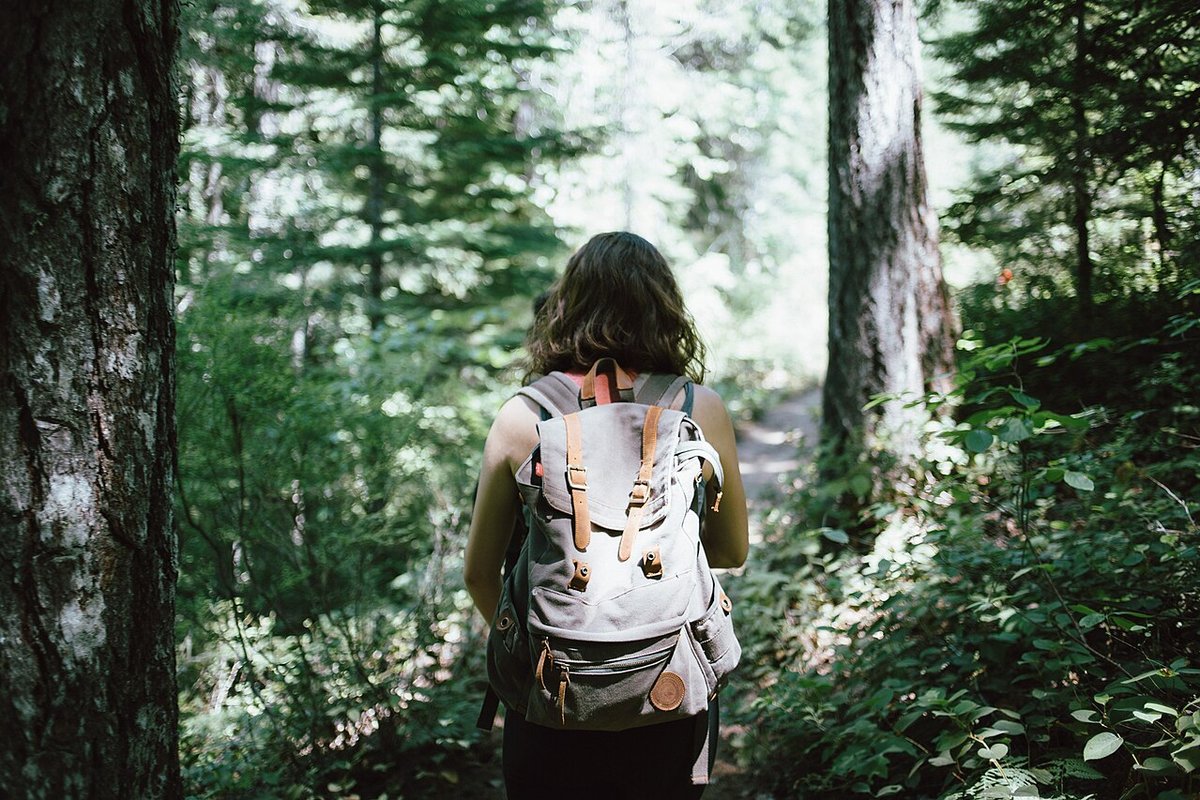
Organization is about access, not perfection
A backpack with twelve labeled cubes can still be a mess if the rain jacket is buried under the food bag when the storm hits. Good organization means you can find the next thing you need without dumping the pack. This guide covers cubes, stuff sacks and simple systems for weekend and multi-day packs. It pairs with choosing a backpack and weekend backpacking packing list.
Tools of the trade
- Packing cubes: zippered fabric boxes; great for clothes categories
- Stuff sacks: compress soft gear; often lighter than rigid cubes
- Zip pouches: small items (first aid, repair, hygiene)
- Ditzy / dump pouch: one pocket for “today’s scraps” so crumbs do not migrate
- Waterproof liners or dry bags: wet/dry separation for rain gear and soaked clothes
You do not need every tool. Many hikers thrive with three stuff sacks and one pouch.
Pack by when you need things
Think in access layers:
- Hip belt / shoulder pockets: snacks, lip balm, phone, lamp
- Lid / brain: map, sun protection, small first aid
- Top of main bag: rain jacket, fleece, items for the next stop
- Core: food bag, cook system, bulky clothes
- Bottom: sleeping bag in a waterproof liner, next morning’s base layer if you like that system
Cubes help only if their category matches this order. A “misc” cube that sinks to the bottom becomes a black hole.
Weight balance reminders
Heavy dense items (water, food, cook kit) generally ride close to the back and mid-pack, not dangling far behind your shoulders. Cubes should not force heavy cans to the outer edge of a car-camping backpack used as a luggage mule. Adjust when the pack feels like it pulls you backward.
Wet / dry separation
Keep a dedicated dry bag or liner for:
- Sleeping bag and dry sleep clothes
- Electronics you refuse to soak
- Tomorrow’s dry socks
Put wet tents and rain jackets in a separate sack so they do not dampen the sleep system. At camp, dry what you can; see gear storage between seasons for longer-term moisture habits after the trip.
Clothes cubes without overpacking
One cube for base layers, one for insulating piece and rain shell if space allows, or simply stuff the puffy in its own sack. Shoulder-season trips need clearer separation of warm layers—see shoulder-season camping checklist and layering for camping. Resist packing “outfit cubes” that duplicate what you already wear hiking.
Food organization
Opsack-style or simple odor-aware bags, plus a plan for hangs or canisters, matter more than cute snack cubes. Keep today’s snacks reachable without opening the entire smellable bag every hour. Car campers can borrow cooler discipline from packing a cooler for multi-day trips for the drive portion.
Color coding
If multiple people share a system, colored sacks beat identical grey cubes at dusk. Red = first aid, blue = cook, yellow = clothes is a common teaching pattern—use whatever you will remember.
What not to do
- Cube every single sock pair individually
- Bury the rain jacket under four zip layers
- Rely on a phone packing list and no physical map when your system assumes perfect battery
- So many organizers that the pack’s volume vanishes
Car camping vs backpacking
Car camping totes can be cube-heavy; you are organizing a trunk. Backpacking should stay lighter and fewer. Do not copy a suitcase packing-cube layout into a 40 L trail pack without editing.
Evening reset
At camp, one habit keeps systems alive: return items to their sack before bed. The five-minute reset prevents the morning explosion. Repair kits and spare tip baskets for poles belong in the same pouch every trip so you are not hunting.
Common mistakes
- Buying cubes first, pack second
- No waterproof protection for the sleep system
- Snacks only at the bottom
- Identical pouches with no labels
- Overstuffing cubes until zippers fail
Bottom line
Use just enough organizers to protect wet/dry boundaries and preserve access order. Pack for the next problem (rain, snack, navigation), not for a magazine photo of nested cubes. Skill beats SKUs.
Example layout and reset
Sleep system bottom in a liner; clothes above; food mid-back; rain jacket on top; first aid in lid. Shared trips need named sacks and clear who carries cook/shelter. Empty and dry cubes after every trip.
Extra practical notes
Rehearse key steps on a low-stakes outing before you need them remotely. Write down what failed and adjust the kit at home. Teach partners the same rules. When manufacturer or land-manager rules are stricter than general advice, follow the stricter requirement. After each trip, dry gear, recharge lights, replace consumables and update your checklist while memory is fresh.
Extra practical notes
Rehearse key steps on a low-stakes outing before you need them remotely. Write down what failed and adjust the kit at home. Teach partners the same rules. When manufacturer or land-manager rules are stricter than general advice, follow the stricter requirement. After each trip, dry gear, recharge lights, replace consumables and update your checklist while memory is fresh.
Extra practical notes
Rehearse key steps on a low-stakes outing before you need them remotely. Write down what failed and adjust the kit at home. Teach partners the same rules. When manufacturer or land-manager rules are stricter than general advice, follow the stricter requirement. After each trip, dry gear, recharge lights, replace consumables and update your checklist while memory is fresh.
Extra practical notes
Rehearse key steps on a low-stakes outing before you need them remotely. Write down what failed and adjust the kit at home. Teach partners the same rules. When manufacturer or land-manager rules are stricter than general advice, follow the stricter requirement. After each trip, dry gear, recharge lights, replace consumables and update your checklist while memory is fresh.
Extra practical notes
Rehearse key steps on a low-stakes outing before you need them remotely. Write down what failed and adjust the kit at home. Teach partners the same rules. When manufacturer or land-manager rules are stricter than general advice, follow the stricter requirement. After each trip, dry gear, recharge lights, replace consumables and update your checklist while memory is fresh.
Filter backpacks by spec → Compare up to 3 →
Related guides
- How to Choose a Backpack or Daypack for Camping
- Weekend Backpacking Packing List
- Packing a Cooler for Multi-Day Trips
- How to Layer Clothing for Camping
- How to Store Camping Gear Between Seasons
General guidance from CampTier, based on manufacturer instructions and common outdoor practice. We don’t claim hands-on testing. Always follow your gear maker’s care and safety instructions. See our safety notes.