
Avoiding poison ivy, poison oak and poison sumac at camp
How to recognize poison ivy, poison oak and poison sumac around campsites and trails, why the oil spreads to gear, clothes and pets, what to do after contact, why you should never burn these plants and when to get medical help.
By the CampTier team · Updated 2026-10-15 · About 5 min read
Why these plants matter at camp
Poison ivy, poison oak and poison sumac are common in many parts of North America, including around campgrounds, trailheads and the edges of clearings. All three contain an oil called urushiol, which causes an itchy, blistering rash in many people. The rash is not usually dangerous, but it can make a trip miserable and can last for weeks. Knowing what the plants look like, how the oil spreads and what to do after contact helps you avoid most problems. This guide is general information. For a severe or worrying reaction, get medical care.
How to recognize the plants
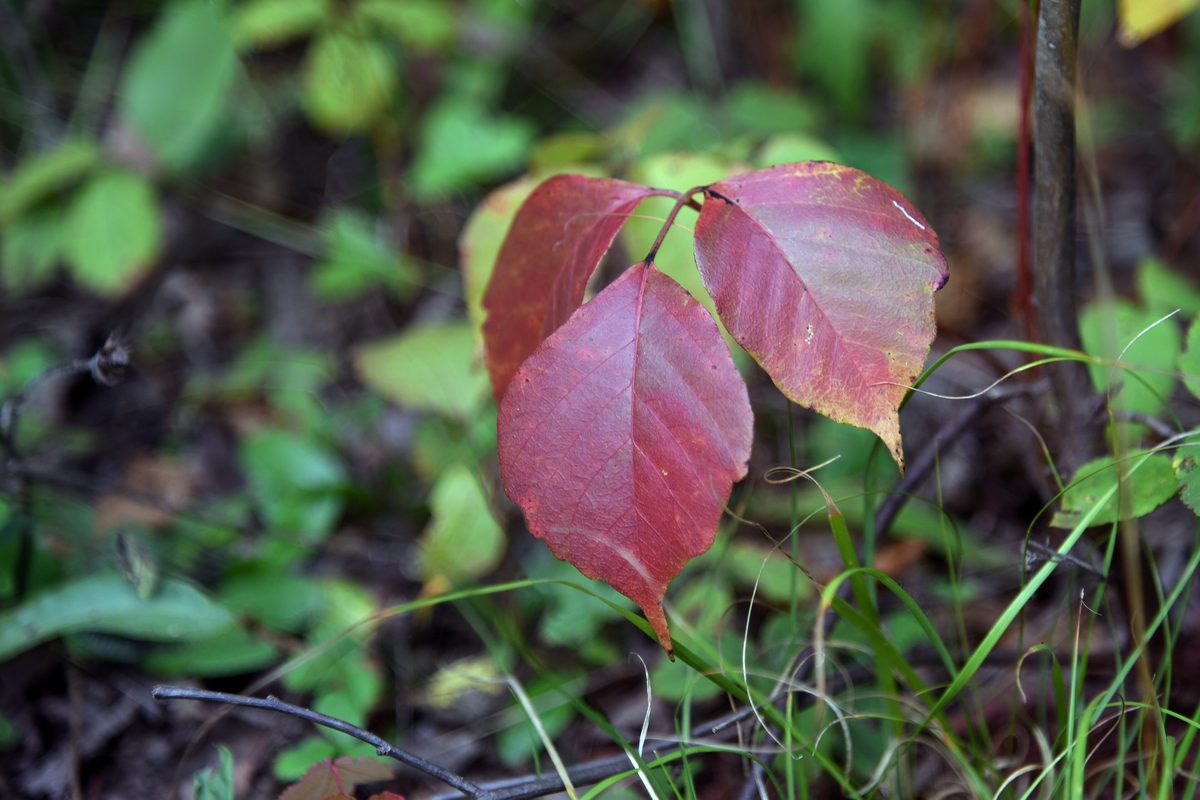
- Poison ivy grows as a ground cover, a shrub or a hairy-looking vine climbing trees. Each leaf is made up of three leaflets, and the middle leaflet usually has a longer stem. The edges can be smooth or toothed, and leaves can be shiny or dull. In autumn the leaves often turn red, orange or yellow.
- Poison oak usually grows as a shrub, especially in the western United States, and also has leaflets in groups of three. The leaflets often have lobed edges that resemble oak leaves.
- Poison sumac grows as a shrub or small tree, usually in wet or swampy areas. Its leaves have more leaflets, commonly 7 to 13 arranged in pairs with one at the tip.
The old saying "leaves of three, let it be" is a useful reminder for poison ivy and poison oak, although plenty of harmless plants also have three leaflets, and poison sumac does not follow the rule. Local park or extension service websites often have photos of the species in your area.
Where you are likely to meet them
These plants often grow where sunlight reaches the ground: along trail edges, campground borders, fence lines, riverbanks and around downed trees. Poison ivy vines frequently climb trees near campsites, and poison sumac favors boggy ground. When you arrive at camp, take a minute to scan the tent pad, the path to the toilet and the area around the fire ring. Our guide to checking a tent site for hazards covers other things to look for.
How the oil spreads
Urushiol is sticky and long-lasting. You do not have to touch the plant directly to get a rash:
- Clothing and gear that brushes against the plant can carry the oil, including boots, gloves, tent stakes, trekking poles and backpack straps.
- Pets can pick up oil on their fur and pass it to you when you pet them, even though their fur often protects their own skin.
- Firewood with vines attached can carry oil to your hands.
- Dead plants and bare stems in winter can still contain urushiol.
The oil can stay active on surfaces for a long time if it is not washed off, which is why people sometimes get a rash from gear they used weeks earlier.
Prevention habits
- Stay on trails and avoid brushing through dense undergrowth.
- Wear long sleeves, long pants and closed shoes when walking through brushy areas or collecting firewood.
- Wear gloves when handling firewood or clearing a tent site, and avoid touching your face while wearing them.
- Teach kids to recognize the plants before they explore. See kid-friendly camping activities and gear for other ideas.
- Keep dogs out of the undergrowth where you can, and keep them leashed where rules require it.
- Check firewood for hairy vines before you pick it up. See gathering and buying firewood responsibly.
Some people use barrier creams sold for this purpose. Follow the product directions, and do not rely on them as your only protection.
Never burn these plants
Do not burn poison ivy, poison oak or poison sumac in a campfire or to clear an area. The CDC warns that burning these plants releases urushiol into the smoke, and breathing it can cause serious irritation of the lungs and airways. If you suspect firewood has vines on it, leave it out of the fire.
What to do after contact
If you think your skin has touched one of these plants:
- Wash the skin promptly with soap and plenty of cool water. Dermatology organizations advise washing as soon as possible, since the oil binds to skin quickly.
- Clean under your fingernails, since oil there can spread to other parts of your body.
- Wash clothing separately in a washing machine with detergent, or bag it to wash at home.
- Clean gear and tools with soap and water while wearing gloves. Wipe boots, poles and stakes.
- Bathe pets that have run through the plants, wearing gloves while you do it.
Washing does not always prevent a rash, but it can reduce how much spreads.
If a rash develops
The rash often appears within a day or two of contact, though timing varies. It usually shows up as red, itchy skin, sometimes in streaks or lines, followed by bumps or blisters. Dermatology organizations note that the rash itself is not contagious, and fluid from blisters does not spread it. It can seem to spread because oil remained on skin, nails, clothing or gear, or because areas with thinner skin react later.
For mild rashes, many people use cool compresses, calamine lotion or over-the-counter products recommended by a pharmacist, and try not to scratch. Our camp first aid kit basics guide covers what to carry.
When to get medical help
Seek medical care promptly if:
- You have trouble breathing or swallowing, or you breathed in smoke from burning plants
- The rash covers a large part of your body
- The rash is on your face, near your eyes, on your genitals or causes significant swelling
- Blisters look infected, with increasing pain, warmth or pus
- The rash does not improve over a week or more, or you feel generally unwell
Clothing and laundry at home
After a trip through brushy areas, wash hiking clothes separately from other laundry, and wipe down gear before you store it. See caring for base layers and hiking clothes for general care tips.
Bottom line
Learn what poison ivy, poison oak and poison sumac look like where you camp, stay on trails, cover up in brushy areas and keep the plants out of your campfire. If you touch one, wash your skin, nails, clothes, gear and pets promptly. Most rashes are mild and pass with time, but get medical help for breathing problems, widespread rashes or rashes on the face or genitals.
Related guides
- Checking a tent site for hazards: trees, water, slopes and wind
- Bugs, Ticks and Insect Protection at Camp
- Camp First-Aid Kit Basics
- Buying, gathering and splitting firewood responsibly
- Camping with Dogs: Gear Side
General guidance from CampTier, based on manufacturer instructions and common outdoor practice. We don’t claim hands-on testing. Always follow your gear maker’s care and safety instructions. See our safety notes.