
Recognizing heat exhaustion and heat stroke on hikes
How to recognize and prevent heat illness on hikes and at camp: heat cramps, heat exhaustion and heat stroke warning signs, first aid steps, when to call for help, planning hikes around the heat, water and salty snacks, hyponatremia, clothing and shade, and protecting kids, older hikers and dogs.
By the CampTier team · Updated 2026-10-15 · About 5 min read
Why heat illness deserves attention
Heat illness can affect anyone, including fit and experienced hikers. A long climb in the sun, a canyon that traps heat, a hike that takes longer than planned or simply a hot, humid day can push the body past its ability to cool itself. The good news is that most heat illness is preventable, and the early stages respond well to quick action. Knowing the warning signs, and stopping before things get worse, is the key.
This guide covers how to recognize heat cramps, heat exhaustion and heat stroke, what to do and how to plan hikes to avoid them. It is general information, not medical advice. If you or someone in your group has a health condition or takes medication that affects heat tolerance, ask a doctor for personal guidance.
How the body handles heat
Your body cools itself mainly by sweating and by moving blood toward the skin. Sweat cools you as it evaporates, which works well in dry air and poorly in high humidity. Hard exercise, direct sun, hot rock and little wind all add heat. When you lose a lot of fluid and salt through sweat, or the air is too humid for sweat to evaporate, core temperature can climb.
Heat cramps
Heat cramps are painful muscle spasms, often in the legs, arms or abdomen, during or after heavy sweating. They can be an early sign that the body is losing too much salt and fluid. Stop and rest in the shade, sip water or a sports drink and eat a salty snack. Do not push on until the cramps settle, and treat them as a reason to slow down for the rest of the day.
Heat exhaustion: warning signs
The Centers for Disease Control and Prevention (CDC) lists these common signs of heat exhaustion:
- Heavy sweating
- Cold, pale and clammy skin
- A fast, weak pulse
- Nausea or vomiting
- Muscle cramps
- Tiredness or weakness
- Dizziness, headache or fainting
What to do: move to a cooler, shaded place, loosen tight clothing, apply cool, wet cloths to the skin and sip water. The CDC advises getting medical help if the person is vomiting, if symptoms get worse or if they last longer than an hour. On the trail, that usually means ending the hike, resting through the hottest part of the day if needed and heading out slowly in cooler conditions with help.
Heat stroke: a medical emergency
Heat stroke happens when the body's cooling system fails and core temperature rises to dangerous levels. The CDC describes these signs:
- A high body temperature, 103°F or higher
- Hot, red, dry or damp skin
- A fast, strong pulse
- Headache, dizziness or nausea
- Confusion
- Losing consciousness
Confusion, odd behavior, slurred speech or stumbling in the heat are major red flags. What to do: call 911 or your emergency number, or use a satellite messenger if there is no signal. Move the person to a cooler place and cool them quickly with cool, wet cloths or water, fanning if possible. The CDC advises not giving a person with heat stroke anything to drink. Stay with them until help arrives.
Plan hikes around the heat
Prevention starts before you leave the trailhead:
- Check the forecast and the heat index. The National Weather Service issues heat advisories and warnings, and humidity makes heat feel and act more intense.
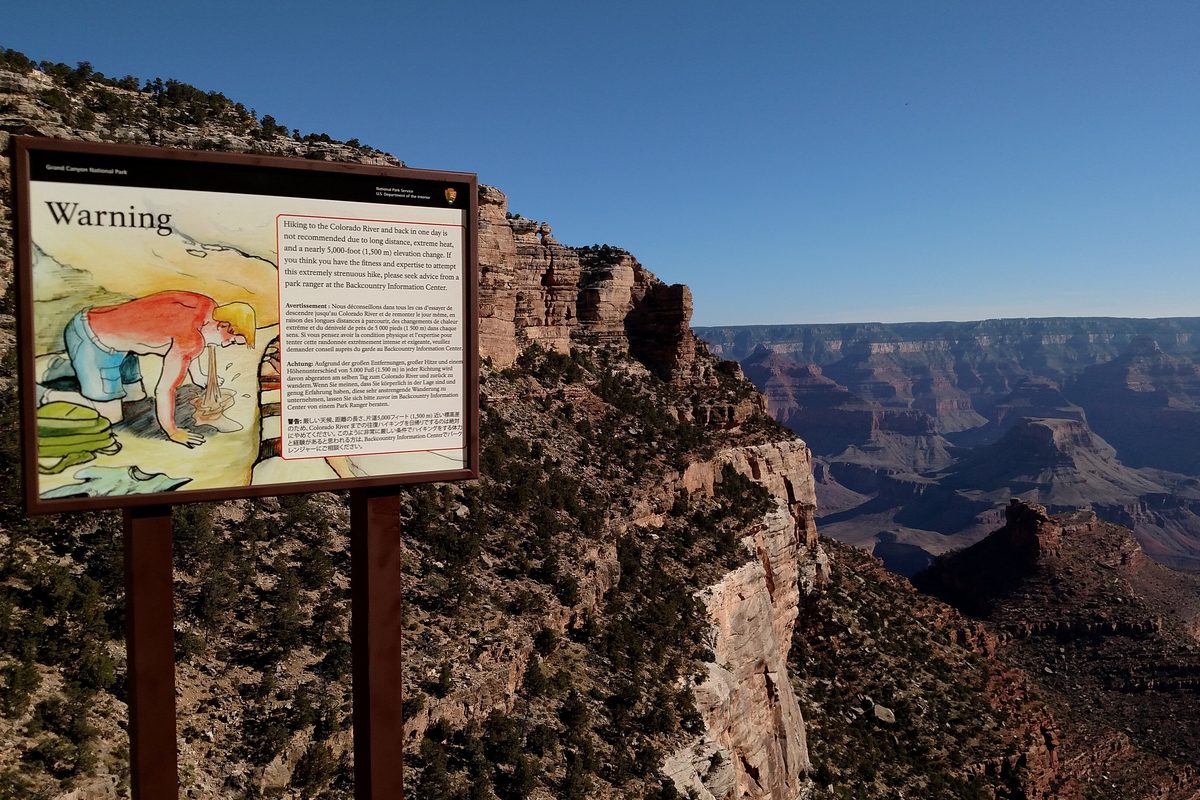
- Hike early or late. Some desert and canyon parks, such as Grand Canyon, advise against hiking during the hottest part of summer days, roughly late morning to late afternoon.
- Choose shaded or shorter routes on hot days, and remember that canyon hikes are usually downhill first, with the hard climb out at the end of the day.
- Know your turnaround time and stick to it.
- Build up gradually. It typically takes a week or two of regular activity in the heat for the body to acclimatize, so visitors from cooler places need extra caution.
Our guides to hot weather camping tips and desert camping basics have more on planning in hot places.
Water and salty snacks
Carry plenty of water and drink regularly rather than waiting until you feel very thirsty. How much you need depends on temperature, effort and your own body; see how much water to carry on hikes. Know where reliable water sources are and carry a way to treat it.
Eat as well as drink. Sweat carries away salt, and drinking large amounts of plain water without eating can lead to hyponatremia, a dangerous drop in blood sodium. Grand Canyon National Park warns hikers about this, and its symptoms, such as nausea, confusion and fatigue, can look like heat exhaustion. Salty snacks, regular meals and electrolyte drinks help keep things balanced. Easy access matters too: a reservoir or bottles in side pockets make it simple to sip on the move. See choosing hydration reservoirs and water bottles.
Clothing, shade and cooling tricks
- Wear light-colored, loose, breathable clothing and a wide-brimmed hat. See sun protection for campers and hikers.
- Wet a bandana, hat or shirt at water sources and let evaporation cool you.
- Take breaks in the shade and slow your pace on climbs.
- Watch your companions. People with heat illness do not always notice their own confusion, so check on each other.
Kids, older hikers and dogs
Young children and older adults are more vulnerable to heat and may not say they are struggling. Plan shorter hikes, more breaks and plenty of shade, and offer water and snacks often. Dogs overheat quickly too. They cool mainly by panting, and hot rock or pavement can burn their paws. Hike in cooler hours, carry water for them and stop if they lag, pant heavily or seek shade. Our guide to camping with dogs gear has more.
At camp in hot weather
Set up in shade where you can, ventilate the tent during the day and rest during the hottest hours. Keep water cool and accessible, and include cooling items and electrolyte packets in your kit alongside the items in camp first aid kit basics.
Bottom line
Heat exhaustion is a warning sign to stop, cool down and rest, and heat stroke is an emergency that needs a call for help and rapid cooling. Plan hikes for cooler hours, build up gradually, drink regularly, eat salty snacks, wear light clothing and watch your companions closely. When in doubt, turn around early.
Related guides
- Hot-Weather Camping Tips
- How much water to carry on hikes and overnights
- Desert camping basics: sand, wind, flash floods and cold nights
- Sun protection for campers and hikers
- Camp First-Aid Kit Basics
General guidance from CampTier, based on manufacturer instructions and common outdoor practice. We don’t claim hands-on testing. Always follow your gear maker’s care and safety instructions. See our safety notes.