
Camp coffee systems basics
A practical look at camp coffee methods—pour-over, immersion, percolator and instant—focused on water, fuel, cleanup and group size rather than brand hype.
By the CampTier team · Updated 2026-10-15 · About 2 min read
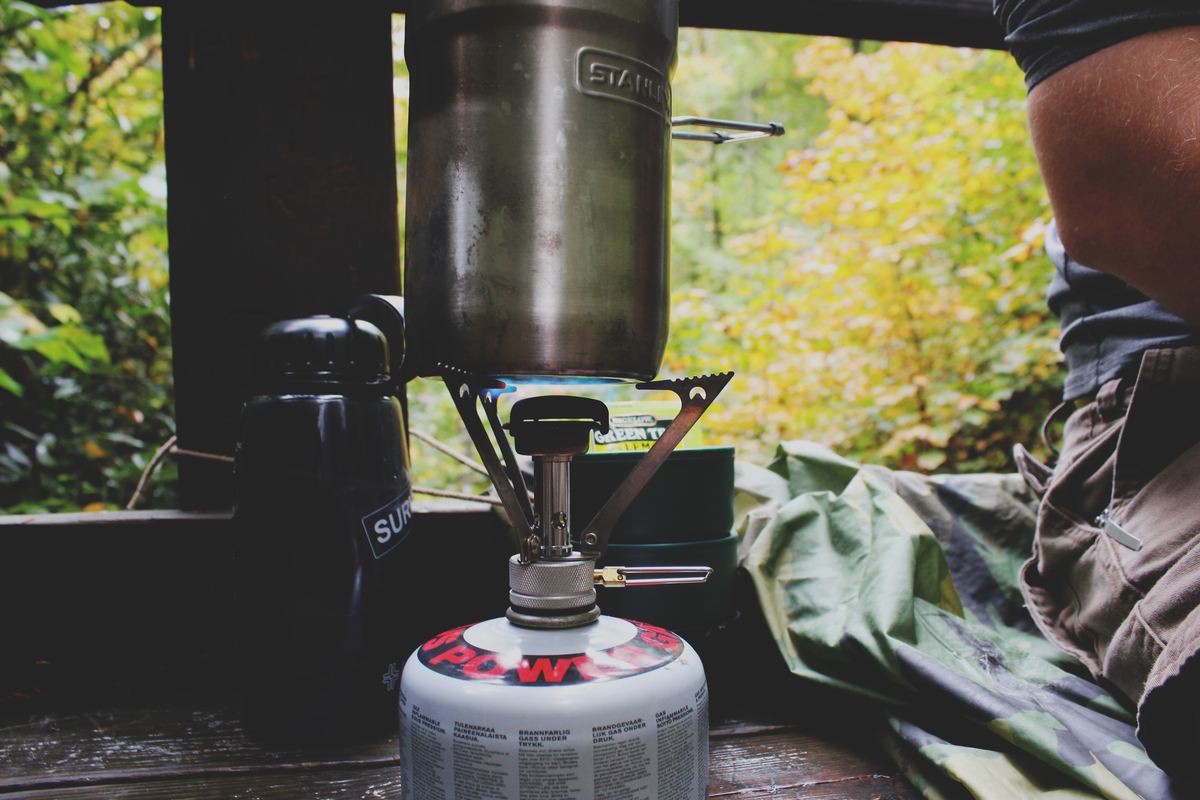
Start with water and fuel, not gadgets
Coffee at camp is mostly hot water logistics. If your stove is slow or fuel is tight, instant or bagged coffee may beat a multi-step pour-over. Read camp stoves and fuel and camp kitchen basics before you pack a glass pour-over cone.
Method sketches
Instant: fastest, least cleanup, easy for alpine starts. Pour-over / drip cone: clean flavor when you control grind and bloom; needs filters and careful pouring. Immersion (press-style): forgiving; pack carefully so carafes do not crack. Percolator: classic car-camping option; watch bitterness from long boils. Espresso gadgets: fun when weight and fuel do not matter; practice at home.
Grind and storage
Pre-grind for short trips; bring a small grinder only if you accept the weight and noise. Keep beans or grounds in a sealed container away from soap smells. Mark the dose that fits your cookware kettle volume.
Group service
Four people want a bigger kettle or two cycles. Assign a coffee person so stove traffic does not collide with breakfast. Hit water boil once when possible.
Cleanup reality
Coffee oils cling. Rinse grounds into trash where required; never dump grounds into lakes. Follow dishwashing at camp so the next meal does not taste like yesterday’s roast.
Cold mornings and shoulder season
Gloves, wind screens and stove stability matter more when you are half awake. See shoulder season camping checklist for cold-fuel notes.
Minimalist packing list
- Kettle or pot you already trust
- Coffee + measured scoop
- Filters if needed
- Mug
- Small trash bag for grounds
Bottom line
Pick the method that matches fuel, group size and cleanup patience. Hot water discipline beats owning every brew gadget.
Water quality and taste
Filtered water that still tastes like lake will taste like lake coffee. If taste matters, treat and consider a brief boil open to air. Follow local rules for gathering water—see water filtration for camping.
Fuel math for coffee people
A group that wants pour-over for six can burn a surprising amount of fuel. Decide whether coffee shares the breakfast boil or needs a second cycle. Instant coffee after the main boil often wins on alpine start mornings.
Grind size without a lab
Too fine clogs filters and over-extracts on long immersions; too coarse tastes thin. Pre-dial a grind at home with the same device you will use. Mark the grinder setting with tape.
Spill and burn prevention
Half-awake pouring is how scalds happen. Stable stove stance, pot lifter ready, kids outside the cook radius. Keep a mug on a flat rock, not on a sleeping pad.
Cleanup that protects the next meal
Rinse the kettle before cooking dinner if coffee oils linger. Pack out grounds. A dedicated coffee mug reduces dish count—see dishwashing at camp.
Decaf and kid cocoa logistics
Share the hot water system. Cocoa for kids can use the same kettle after a rinse. Label thermoses so dairy and black coffee do not surprise anyone.
When to leave it at home
Ultralight push days, water scarcity, and fire bans that complicate stoves may mean cold caffeine options or skipping. Flexibility is part of camp cooking maturity in planning camping meals.
Filter camp kitchen by spec → Compare up to 3 →
Related guides
- Camp Kitchen Basics: Stoves, Cooking and Cleanup
- Camp Stoves and Fuel Basics
- Choosing Camp Cookware
- Dishwashing at Camp
- Planning Camping Meals for a Weekend
General guidance from CampTier, based on manufacturer instructions and common outdoor practice. We don’t claim hands-on testing. Always follow your gear maker’s care and safety instructions. See our safety notes.