
Cleaning and maintaining a camp stove: canister, liquid fuel and two-burner stoves
How to keep a camp stove working reliably: cleaning burners and grates, checking O-rings and seals, clearing jets on liquid-fuel stoves, storing fuel safely, and pre-trip tests. General guidance; always follow your stove maker's manual.
By the CampTier team · Updated 2026-10-15 · About 6 min read
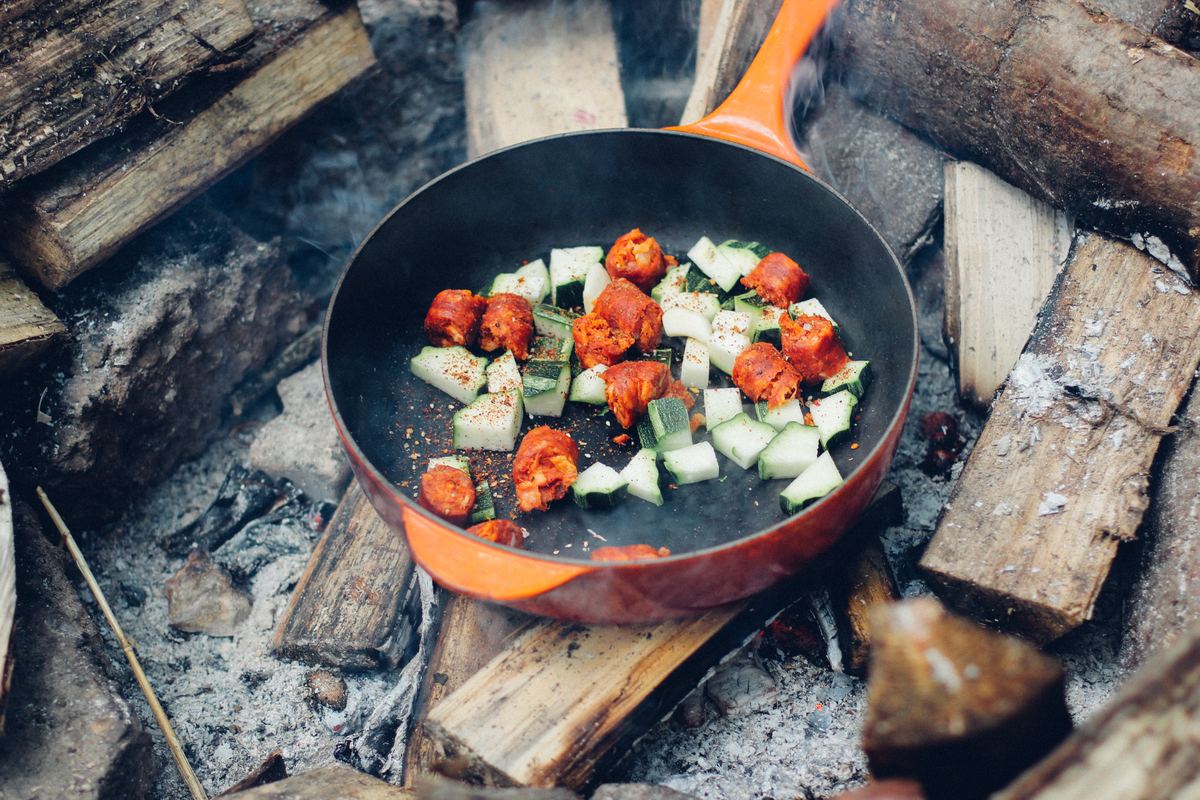
Why stove maintenance matters
A camp stove that sputters, leaks or refuses to light can ruin a meal, and a faulty seal or fuel leak can be a fire risk. Most stove problems come from a few simple causes: food spills, dirt in the burner, worn seals, clogged jets and fuel stored badly between trips. A short cleaning routine after trips and a test before the next one prevent most of them.
This guide covers general care for the three common types of camp stove: small canister stoves, liquid-fuel (white gas or multi-fuel) stoves and two-burner propane stoves for car camping. Stove designs vary, so always follow the manufacturer's manual, and only take apart parts the maker says are user-serviceable. For stove types and fuel choice, see camp stoves and fuel.
Safety first
- Let the stove cool completely before cleaning.
- Disconnect fuel canisters or cylinders, or depressurize liquid-fuel bottles as the maker directs, before working on the stove.
- Work outdoors or in a well-ventilated space away from flames and sparks.
- Never use a stove inside a tent, vehicle or enclosed space. Carbon monoxide and fire risks are serious.
After every trip
- Wipe off spills. Food and grease on burners and grates burn on next time, causing smoke and smells. Wipe with a damp cloth and a little mild soap, then dry.
- Brush the burner head. Use a soft brush to remove soot and debris from burner ports. Don't push debris into the ports.
- Clean the grates and pot supports. Many two-burner grates lift out for washing. Dry thoroughly to prevent rust.
- Check for damage. Look for bent pot supports, cracked parts or burned plastic.
- Dry everything before storage. Moisture causes rust and corrosion, especially on steel parts.
Canister stoves
Canister stoves screw onto threaded gas canisters and have few moving parts.
- Check the threads and seal. Look at the stove's connection for dirt, damage or a worn O-ring or gasket. A damaged seal can leak gas.
- Leak check. After attaching a canister outdoors and away from flames, listen and smell for gas. Some people use soapy water on the connection, as some manuals advise; bubbles mean a leak. Don't use a leaking stove; replace the seal or the stove as directed by the maker.
- Piezo igniters. If the push-button igniter stops sparking, check for dirt or a bent electrode, but carry a lighter or matches as backup anyway.
- Store canisters in a cool, dry place with the cap on. Don't leave them in hot cars.
Liquid-fuel stoves
White gas and multi-fuel stoves are popular for cold weather and long trips, and they need more maintenance.
- Clean the jet. Many have a shaker needle or a jet that can be cleaned with a tool from the maintenance kit. Soot or impurities from fuel can clog it, causing a weak or yellow flame.
- Pump and O-rings. Pump cups and O-rings dry out and crack over time. Many makers sell maintenance kits with replacement O-rings, pump cups and lubricant. Lubricate only with the product the maker recommends.
- Fuel lines. Check for kinks, cracks or leaks.
- Use clean fuel. Use fuel recommended by the maker. Dirty or old fuel can clog the stove.
- Store fuel in approved bottles, with caps tight, upright and away from living spaces.
Carry the maker's field maintenance kit on longer trips and practice using it at home.
Two-burner propane stoves
Car-camping stoves are robust but collect grease and dust.
- Clean burner ports. If flames are uneven or yellow, ports may be blocked. Clear them with a brush or as the manual describes.
- Check the regulator and hose. Look for cracks, wear or corrosion. Replace damaged regulators or hoses rather than repairing them.
- Spiders and insects. Insects sometimes nest in venturi tubes on stored stoves, causing poor or dangerous flames. Inspect and clear them before the season.
- Cylinder connection. Check the inlet for dirt and the seal for damage.
Signs something is wrong
Stop using the stove and inspect it if you notice:
- A smell of gas when the stove is off
- Flames that are yellow, lazy or sooty (unless that is normal for your stove's priming phase)
- Flaring or flames escaping where they shouldn't
- Hissing from connections
- A stove that gets unusually hot near the canister or fuel line
Pre-trip test
A week before each trip, set up the stove outdoors with the fuel you plan to bring. Light it, check the flame, boil a pot of water and check all connections. This catches dead igniters, worn seals and empty canisters while you can still fix them. Our guides to planning camping meals for a weekend and camp kitchen basics help you plan how much fuel you need.
Storage between seasons
- Clean and fully dry the stove.
- Store stoves and fuel separately, in a cool, dry, ventilated place.
- Keep small parts and maintenance kits in a labeled bag with the stove.
- Note anything that needs replacing before the next season.
See gear storage between seasons for a full-kit approach.
Cookware and stove pairing
Large or heavy pots on small canister stoves can be unstable. Use pot supports and cookware sizes the maker recommends, and keep pots centered. A stable, level surface is essential. See choosing camp cookware.
Checklist
- Wipe and dry after each trip
- Brush burner ports
- Inspect seals, O-rings, hoses and regulators
- Leak check on connections
- Liquid-fuel maintenance kit packed
- Backup lighter or matches
- Pre-trip test boil
- Fuel stored separately and safely
Bottom line
Most camp stove problems are prevented by a quick clean after each trip, regular checks of seals and connections, and a test boil before you go. Follow your stove maker's manual, replace worn parts instead of improvising, and store fuel safely between seasons.
Stoves in cold weather and at altitude
Cold and altitude both change how stoves behave, so a stove that works perfectly on a summer test can struggle on a frosty morning. Canister stoves lose pressure as the canister cools, which means a weak flame or one that fades as you cook. Keeping the canister warm in a jacket or sleeping bag before use, using a fuel blend made for colder temperatures and shielding the stove from wind all help. Never heat a canister with a flame or put it near the burner. Liquid-fuel stoves usually cope better with cold but need careful priming, and pump seals can stiffen. At altitude, water boils at a lower temperature, so cooking takes longer and uses more fuel. Plan extra fuel for cold or high trips, and always cook outdoors with good ventilation; our guide to carbon monoxide safety with camp stoves and heaters explains why.
A small stove spares kit
On longer trips, a compact spares kit can turn a trip-ending problem into a quick fix. What belongs in it depends on the stove, so check your maker's manual and use only parts designed for your model. Common items include:
- Spare O-rings or seals that fit your stove's connection and pump
- The maker's maintenance tool and any cleaning wire or jet tool
- A small amount of the lubricant recommended for pump cups, if your stove uses one
- A backup ignition source, such as matches in a waterproof container or a lighter
- A windscreen suited to your stove type, used only as the maker allows
Practice any field repairs at home first. If a stove leaks fuel, smells strongly of gas or will not shut off, stop using it and do not try to improvise a repair at camp.
Filter camp kitchen by spec → Compare up to 3 →
Related guides
- Carbon monoxide safety with camp stoves, heaters and grills
- Camp Stoves and Fuel Basics
- Camp Kitchen Basics: Stoves, Cooking and Cleanup
- Choosing Camp Cookware
- How to Store Camping Gear Between Seasons
General guidance from CampTier, based on manufacturer instructions and common outdoor practice. We don’t claim hands-on testing. Always follow your gear maker’s care and safety instructions. See our safety notes.